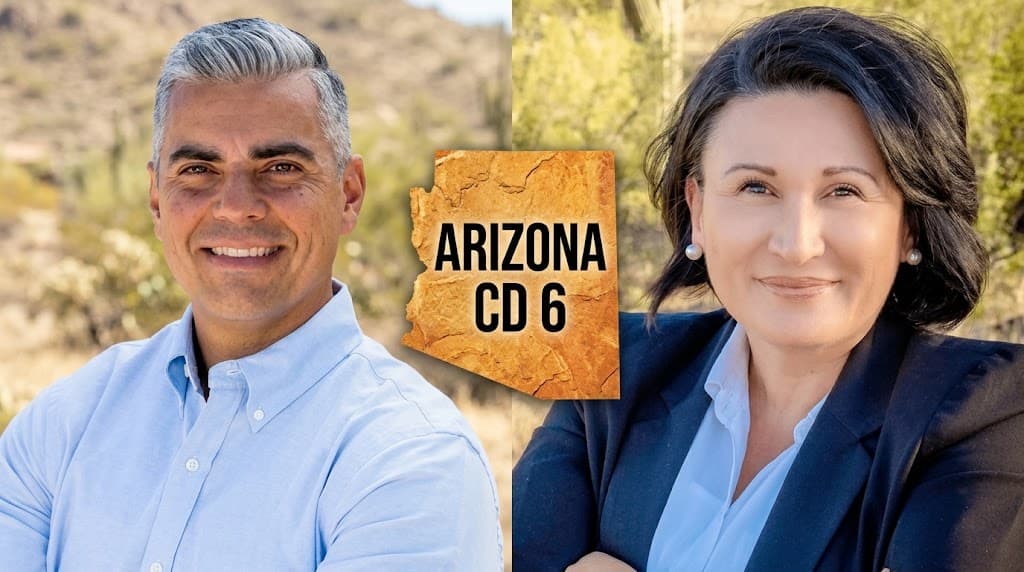

Ciscomani sells tax relief while Mendoza turns health and food assistance losses into a test of household trust.
What to Know
- One federal budget vote gives both candidates a direct way to define who benefits and who pays.
- Temporary deductions for tips and overtime give Ciscomani a recognizable household tax message.
- Nearly 500,000 Arizonans have left the food assistance program since the law took effect.
- Arizona received approximately $167 million through the new rural health program.
- Ciscomani’s previous margins show that a small movement among divided voters could decide the district.
One law has given both candidates in Arizona’s Sixth Congressional District a complete economic campaign. KJZZ reported that Republican Representative Juan Ciscomani presents the federal tax and budget package as proof that his party lowered taxes and encouraged business investment. Democratic challenger JoAnna Mendoza presents the same vote as evidence that Republicans reduced health and food assistance to finance benefits that flow disproportionately toward businesses and higher income households.
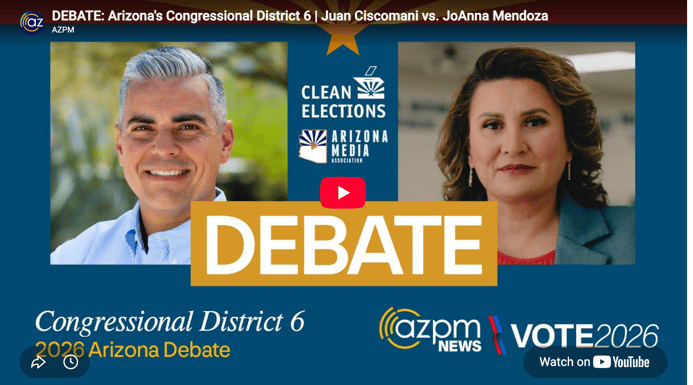
DEBATE: Arizona's Congressional District 6 | Juan Ciscomani vs. JoAnna Mendoza via AZPM
Arizona’s Sixth District makes that disagreement electorally dangerous for both sides. Ciscomani won the seat by approximately 1.4 percentage points in 2022 and approximately 2.5 points in 2024, leaving little room for either campaign to rely entirely on party loyalty. Their contest will test which side can translate a large federal law into the clearest answer to a simpler voter question: did this vote make daily life easier or harder?
Tax Deductions Give Ciscomani a Concrete Household Message
Ciscomani’s strongest argument begins with provisions voters can identify on a paycheck or tax return. He has emphasized temporary deductions for qualified tips and overtime, expanded business incentives and permanent extensions of earlier tax provisions. That framing converts a complicated reconciliation law into a promise that workers and employers will retain more money.
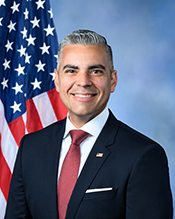
Juan Ciscomani, United States representative for Arizona’s Sixth District, via U.S. House of Representatives.
Precision matters because several popular descriptions make the benefits sound broader than the law provides. Internal Revenue Service guidance explains that eligible workers may deduct as much as $25,000 in qualified tips for tax years 2025 through 2028, subject to income limits. Separate IRS guidance on overtime limits that deduction to the premium portion of qualified overtime compensation, with a maximum annual deduction of $12,500 for individuals and $25,000 for joint filers.
Neither provision eliminates every tax applied to those earnings. Payroll taxes still apply, and not every tipped occupation or overtime arrangement qualifies. Mendoza can challenge the breadth of Ciscomani’s language, but dismissing the deductions entirely would ignore a real benefit available to eligible workers.
Ciscomani also points to an expanded child care incentive as evidence that the law supports working families. That provision requires another important distinction. It increases the employer provided child care credit from 25% to 40% of qualified expenditures, or 50% for eligible small businesses, rather than reimbursing families for half of their personal child care costs.
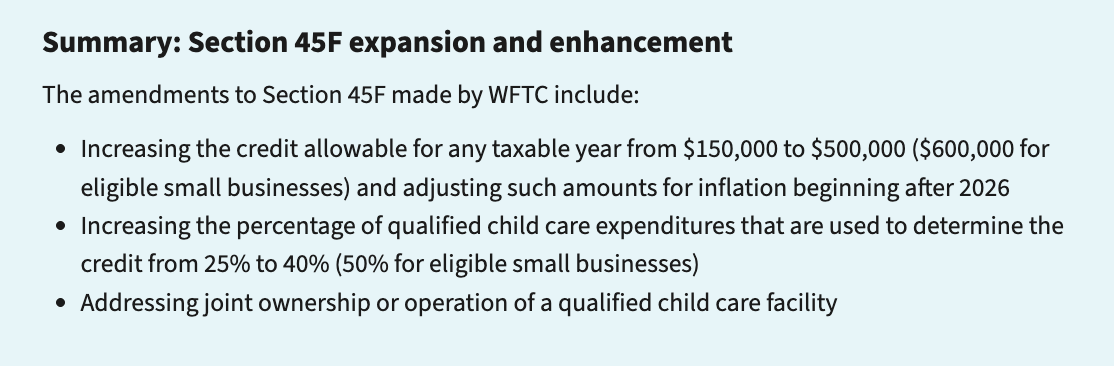
Tax benefits vary widely across households under the federal law, via Internal Revenue Service.
That difference gives each campaign a defensible but incomplete argument. Ciscomani can say the law encourages employers to offer child care and gives qualified workers new deductions. Mendoza can answer that eligibility limits, temporary provisions and dependence on employer participation prevent those benefits from reaching every household facing higher costs.
Economic growth claims require similar caution. Ciscomani has cited national estimates that the tax provisions could protect or create millions of jobs, but national projections do not establish how many positions will appear in southern Arizona. Local voters will judge the argument through visible hiring, wages, factory activity and personal tax savings rather than through a national estimate alone.
Benefit Losses Give Mendoza a Measurable Counterargument
Mendoza’s strongest case begins where government assistance has already declined. KJZZ reported that Arizona’s Supplemental Nutrition Assistance Program enrollment fell by nearly 50% after the state implemented changes connected to the federal law. More than 182,000 children were among those losing assistance, while state data showed millions of unanswered or disconnected calls from residents attempting to complete required interviews.
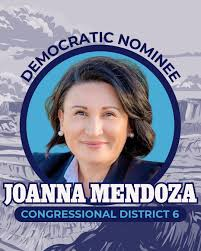
JoAnna Mendoza, Democratic nominee for Arizona’s Sixth District, via JoAnna Mendoza for Congress.
Republicans argue that stronger eligibility reviews and work requirements protect limited assistance for people who qualify. Enrollment losses alone cannot show how many recipients became ineligible, found employment, failed to submit documentation or encountered administrative barriers. Yet the speed and scale of Arizona’s decline give Mendoza a concrete result that she can connect to groceries, children and household budgets.
Health care creates a second vulnerability for Ciscomani. The law requires more frequent Medicaid eligibility reviews, adds work requirements for some adults and restricts financing methods that states have used to support their programs. Arizona Public Media’s fact check found that the new review requirements begin in 2027 and could cause hundreds of thousands of Arizona residents to lose coverage.
Ciscomani answers that criticism by pointing to the Rural Health Transformation Program. Arizona received approximately $167 million for its first funding period, supporting health workforce development, technology and access initiatives. Federal law provides $50 billion nationally over 5 fiscal years, with half distributed equally among approved states and the other half allocated according to federal criteria.
Mendoza claimed during the debate that Arizona received the nation’s smallest rural health award. Arizona Public Media found that Arizona received the sixth lowest award, not the lowest. Ciscomani joined bipartisan efforts seeking a larger allocation. Correcting Mendoza’s ranking does not resolve the broader funding dispute because the rural program and Medicaid changes serve different purposes and operate over different periods.
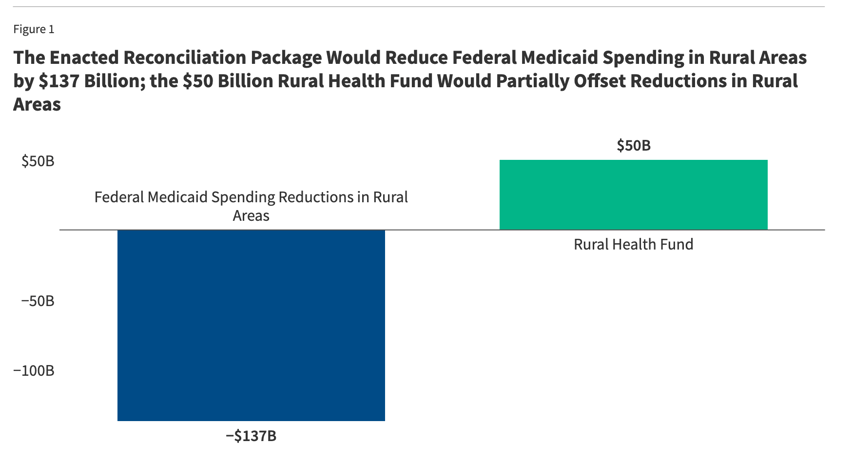
National rural Medicaid reductions exceed new rural health program funding, via KFF.
KFF estimates that federal Medicaid spending in rural communities will decline by $137 billion over 10 years, compared with the national rural health fund’s $50 billion over 5 years. Those national figures do not establish the precise result for every Arizona hospital. They do show why one state award cannot automatically prove that the law fully replaces the funding affected by its other provisions.
Both Campaign Narratives Leave Out Part of the Fiscal Tradeoff
Independent federal analysis supports neither campaign’s cleanest version of the law. The Congressional Budget Office found that Public Law 119–21 increases household resources through tax reductions while decreasing support delivered through Medicaid and food assistance. Households near the bottom of the income distribution generally lose resources, while households in the middle and toward the top generally gain them.
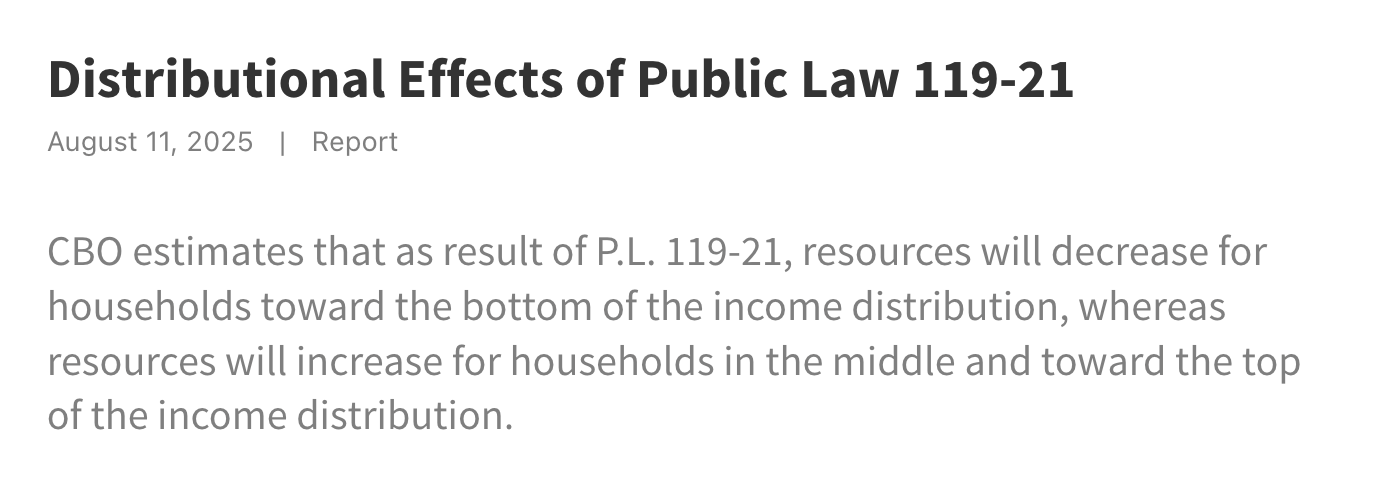
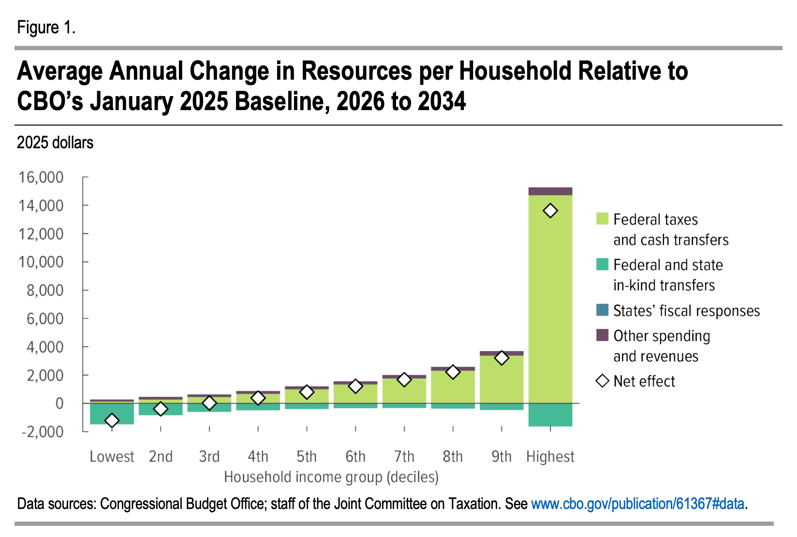
Federal analysis shows gains and losses fall unevenly across households, via Congressional Budget Office.
Ciscomani can accurately identify new deductions, permanent tax provisions and business incentives. His argument becomes less complete when it treats those benefits as proof that every household gains or presents projections of national job growth as confirmed local employment. Voters receiving a tax deduction may still experience reduced assistance, higher medical costs or limited access to rural services.
Mendoza can accurately identify large reductions in Medicaid and food assistance and point to Arizona’s exceptional drop in program enrollment. Her argument becomes less complete when it ignores the law’s genuine tax benefits or describes the rural health award as smaller than every other state award. Strong criticism does not require overstating a ranking or denying that some households benefit.
Broader affordability claims also exceed what one vote can explain. Arizona Public Media reported that inflation reflects pandemic disruptions, consumer demand, fiscal policy, energy prices and tariffs rather than one administration or law alone. Candidates can connect their votes and proposals to costs, but neither can credibly assign every increase in housing, fuel, food or utilities to a single political decision.
Campaign strategy will therefore depend on household experience. Ciscomani needs eligible workers and business owners to recognize the law’s tax benefits before Mendoza defines the vote through lost coverage and food assistance. Mendoza needs voters to connect program reductions to Ciscomani’s decision without allowing inaccurate claims to weaken her larger argument.
Arizona’s divided electorate makes factual discipline especially important. A voter who benefits from the overtime deduction but worries about a family member’s Medicaid coverage may not fit either campaign’s preferred story. Persuasion will depend on which candidate acknowledges that conflict and explains why the law’s overall balance still deserves support or rejection.
Wrap Up
One federal vote now gives Arizona voters two competing definitions of economic relief. Ciscomani emphasizes deductions, employer incentives and business growth. Mendoza emphasizes reduced food assistance, Medicaid restrictions and pressure on rural health care.
Evidence confirms that the law produces both benefits and losses. Workers who meet the rules can claim new tax deductions, while lower income households face reduced federal support through health and nutrition programs. Arizona’s rural health award provides new funding but does not erase the wider financing changes.
Ciscomani’s narrow victories make the argument more than a policy disagreement. Each campaign must persuade voters that its interpretation matches what they see in paychecks, grocery budgets and access to care. Whichever candidate connects the federal vote most credibly to household experience will gain the stronger route through Arizona’s Sixth District.
-Sep-27-2026-09-00-13-8220-AM.jpg)
-3.png)