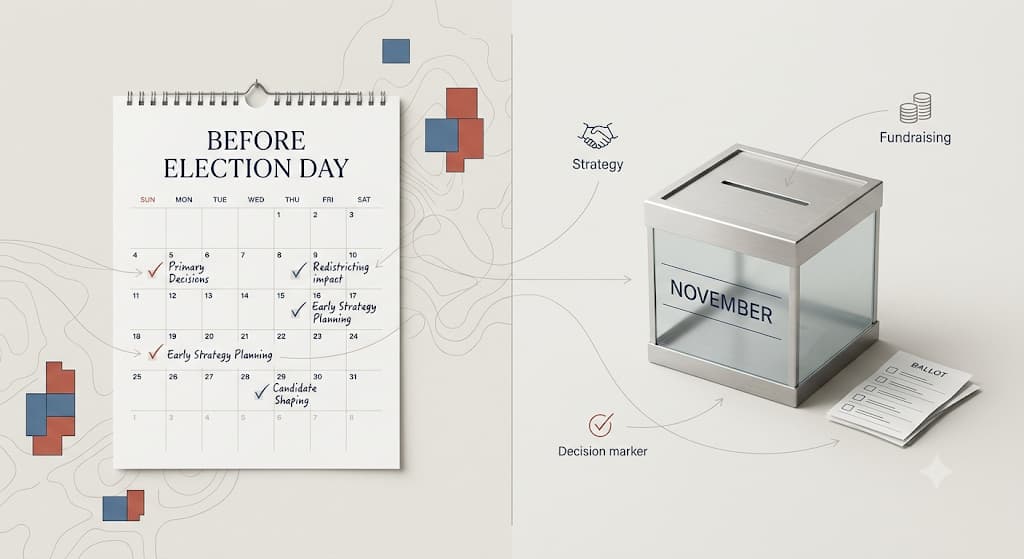

November will count the votes, but the real contest is already being narrowed, funded, mapped, and framed.
What to Know
- Primaries in 6 states are already shaping which candidates will reach the November field.
- Iowa stands out because it has the most competitive Senate primary among the early voting states.
- House control is sitting on 19 toss-up seats that could decide the next majority.
- Current House math shows 212 Democrats and 219 Republicans before the forecast shifts.
- Redistricting is already changing the map before many voters reach the general election.
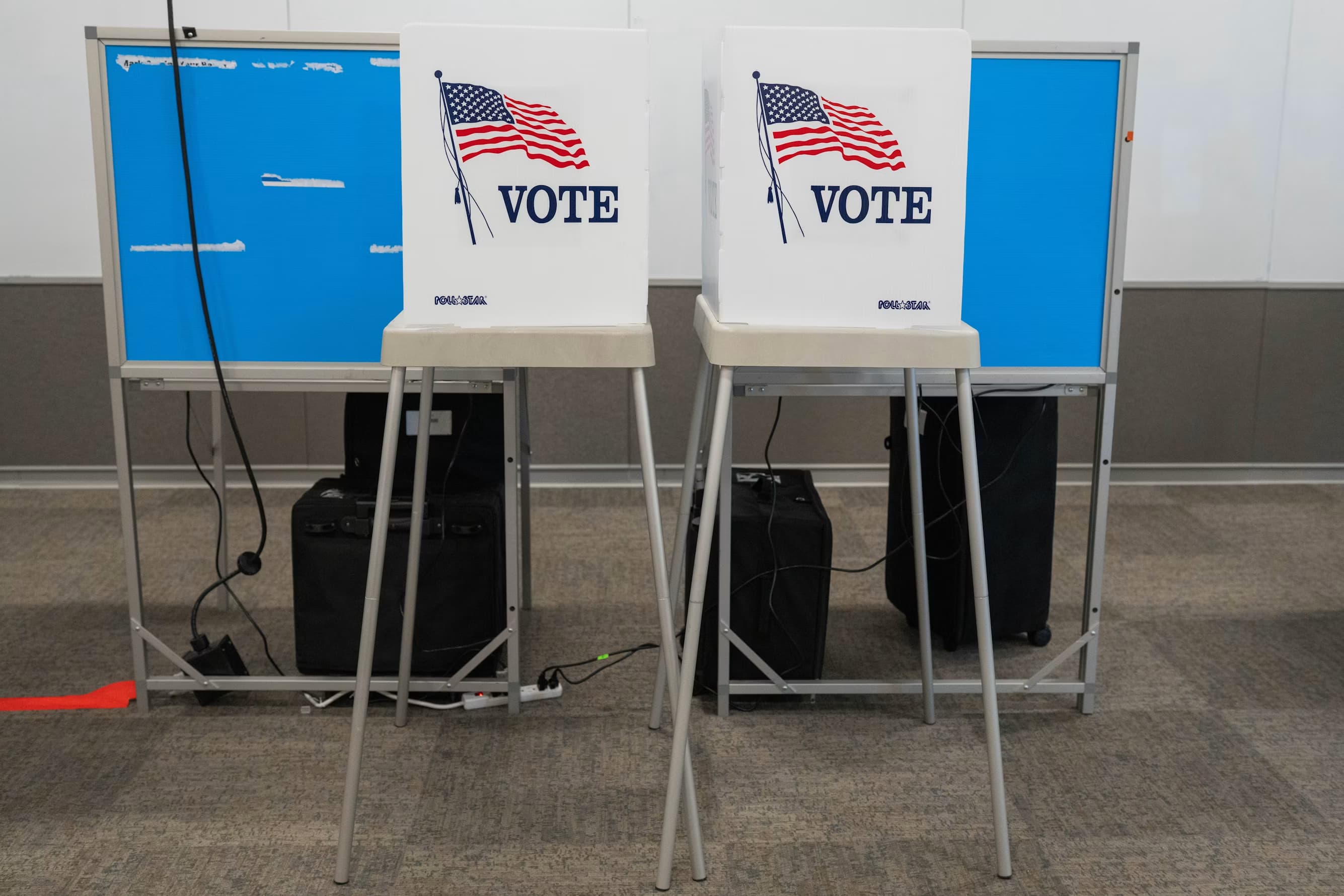
By November, many of the most important choices in the midterms will already be locked in. Anadolu Agency framed early June primaries as formative because voters in California, Iowa, Montana, New Jersey, New Mexico, and South Dakota were choosing the candidates who would compete in the general election.
That makes the early calendar more than a procedural checkpoint. 270toWin shows a House forecast with Democrats at 205, Republicans at 211, and 19 toss-ups, meaning recruitment, nomination fights, legal maps, and money decisions are already deciding where November will be winnable.
Primaries Narrow the November Field
Primary season is where the general election first becomes real. Anadolu Agency reported that 35 Senate seats, including 2 special elections, will be contested in November, while 5 Senate primaries were being decided across the 6 states voting in early June.
Timing changes the meaning of every resource decision. A nominee who survives a primary with weak fundraising, poor local definition, or damaging opposition research enters November with less room to recover.
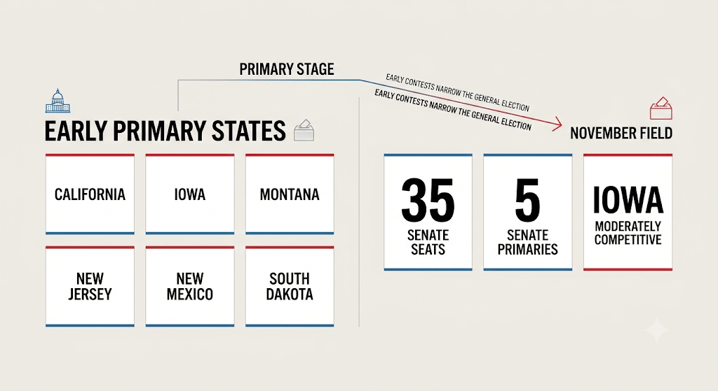
Campaign Now (Gemini), tracking six-state primaries before November
California shows why scale matters before persuasion even begins. Anadolu Agency noted that California has 52 House seats up, while New Jersey has 12, making those states major sorting grounds for candidate quality, donor attention, and district-level organization.
Iowa stands out inside that group. Anadolu Agency reported that Iowa was the only moderately competitive Senate race among the states voting that Tuesday, with its incumbent senator not seeking another term after 10 years.
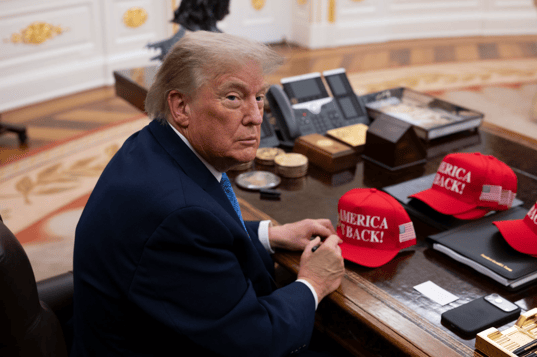
Donald Trump, U.S. president
Donald Trump, U.S. president, said the Dallas event would carry rally energy into the midterm cycle:
"It will be a RALLY like none other!"
Reuters reported that the Dallas event was scheduled for September 9 and 10 and that off-year conventions are unusual. Early national messaging is being pulled forward before fall voting begins.
After nominees are selected, weak spots become harder to hide. Ballot access, local news definition, and donor confidence start compounding long before late ads can repair early narrative problems.
Map Math Leaves Little Room for Drift
House control is already visible in the map math. 270toWin lists 14 likely Democratic seats, 13 leaning Democratic seats, 19 toss-ups, 8 leaning Republican seats, and 23 likely Republican seats outside the safe column.
Seat-level risk is concentrated in named districts, not abstract national mood. 270toWin places IA-1, IA-3, MI-7, NJ-7, NY-17, PA-7, PA-8, PA-10, VA-2, WA-3, and WI-3 in toss-up territory.
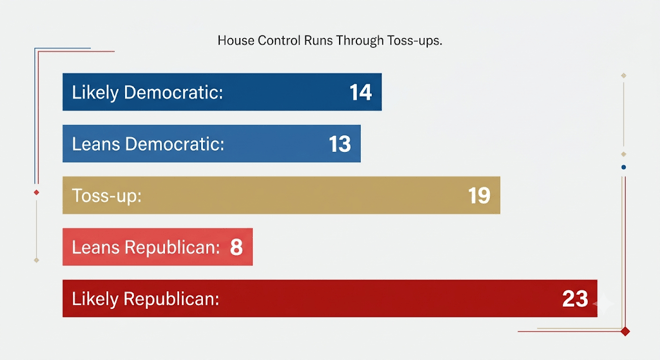
Campaign Now (Gemini), comparing House forecast categories and toss-ups
Current House math also shows how little room exists for drift. Your uploaded 270toWin visual shows 212 Democrats, 219 Republicans, and 4 vacancies, while the consensus forecast shows 205 Democrats, 211 Republicans, and 19 toss-ups.
Because seat ratings are categories, movement can happen without a dramatic national shift. A district moving from likely to lean or from lean to toss-up can redirect staffing, donor calls, and outside spending.
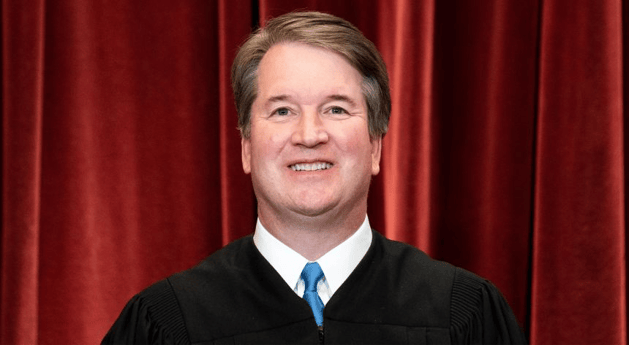
Brett M. Kavanaugh, associate justice of the Supreme Court
Brett M. Kavanaugh, associate justice of the Supreme Court, wrote for the court's majority that the limits no longer met the constitutional standard:
"Therefore, the political-party coordinated-expenditure limits can no longer be justified on that basis."
Roll Call reported that the Supreme Court issued a 6-3 decision clearing political parties to spend unlimited amounts on behalf of federal candidates. Operationally, that ruling pushes money and message planning earlier.
Redistricting and Money Move Before Voting
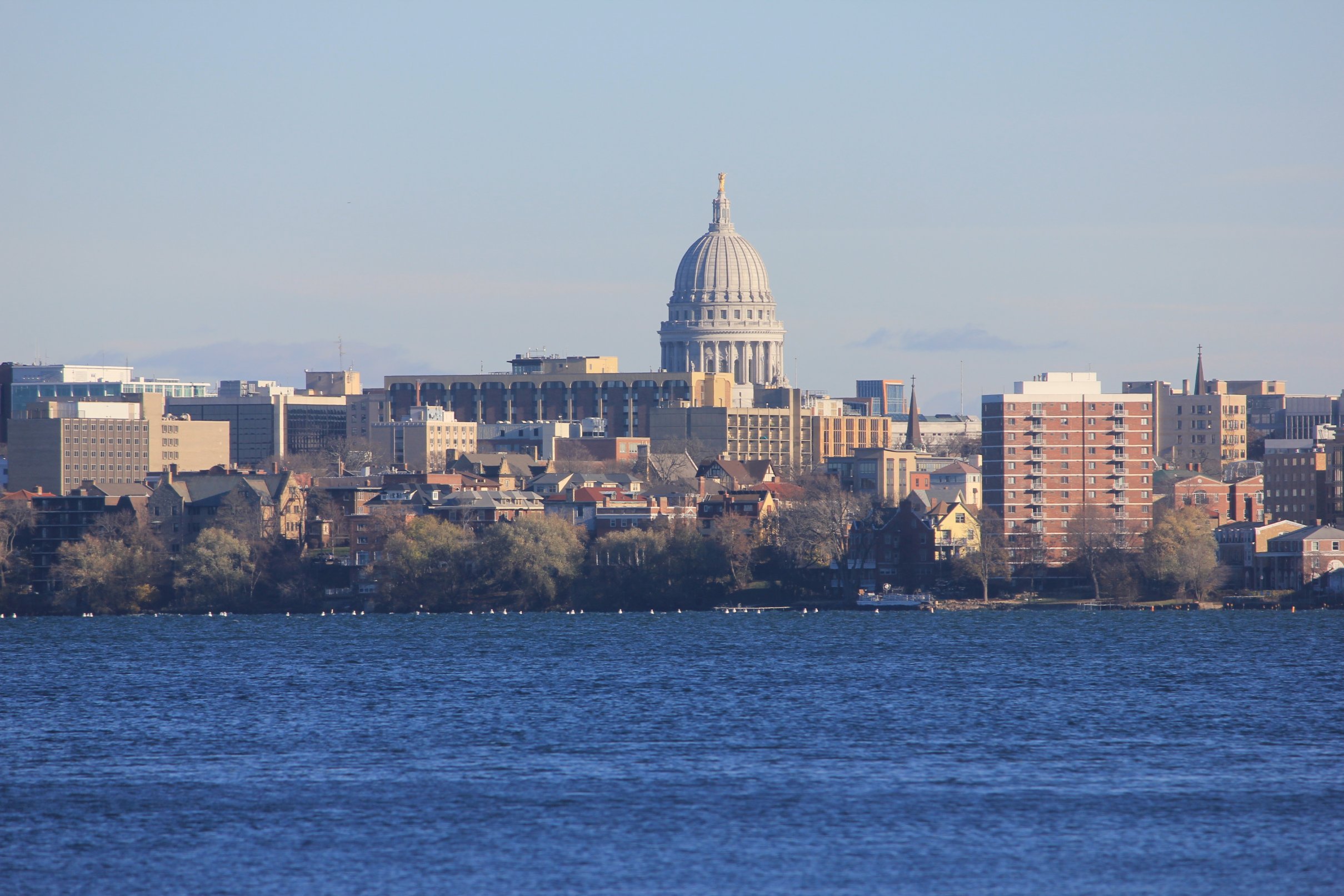
Redistricting is another reason November is late in the process. Anadolu Agency reported that Trump urged state officials to redraw congressional maps to more heavily favor his party.
Texas moved first, according to Anadolu Agency, and California responded through a voter-approved map. California officials put the redrawn House district map to voters, where it was approved 2-to-1.
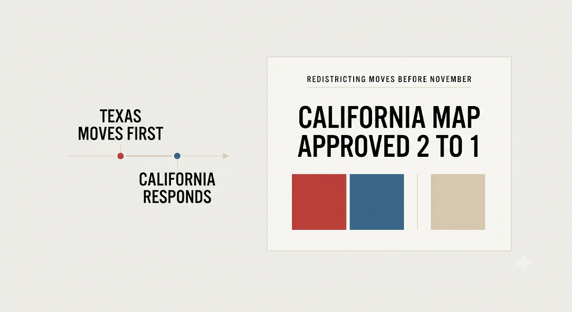
Campaign Now (Gemini), showing redistricting pressure before November
District lines now sit beside money and nomination timing as early structural forces. Candidate decisions, legal terrain, and seat classifications are shaping where attention will go.
Earlier alignment can prevent wasted spending. District reality should decide which messages travel and which stay local.
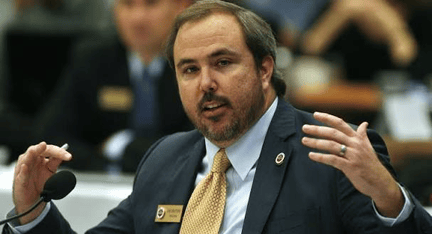
Joe Gruters, chairman of the Republican National Committee
Joe Gruters, chairman of the Republican National Committee, said the Dallas convention would build party momentum before the midterms:
"President Trump will unite Republicans around our shared vision, build momentum, and deliver an incredible convention for our party."
Reuters added that off-year conventions are usually reserved for presidential election years. A rare midterm convention, a rewritten map, and a narrow House forecast all point in the same direction.
Wrap Up
November will still decide the winners, but the real field is being shaped much earlier by primaries, district lines, spending rules, and national party positioning. Candidate selection determines which races begin the general election with strength or weakness, while redistricting and court decisions decide which districts are even open to serious competition. With 19 House toss-ups and a narrow majority, the parties cannot wait for the fall to decide where to invest, which messages to test, or which local races deserve national attention.
That is why the 2026 election is already being narrowed before Election Day. The final count will reflect choices made months earlier about recruitment, fundraising, coordinated spending, legal strategy, and district-level targeting. By the time voters cast ballots, many races will already have been shaped by decisions that happened far outside the voting booth.