
Crowley’s narrow edge depends on uncertain independent voters while Tiffany’s financial advantage pressures the race’s final campaign we
What to Know
- David Crowley leads Tom Tiffany by 49% to 46%, but that advantage remains within the survey’s margin of error.
- Crowley leads independent likely voters by 44% to 18%, while 38% of the group remains undecided.
- Tiffany raised $26.3 million during the latest reporting period, compared with $10.2 million for Crowley.
- Tiffany and his supporters have spent approximately $40 million on advertising, compared with $26 million for Crowley and his supporters.
- Democratic turnout certainty stands at 85%, compared with 78% among Republicans and 61% among independents.
Wisconsin’s open race for governor remains too close for either campaign to claim control. A Marquette Law School Poll found Democratic Milwaukee County Executive David Crowley leading Republican U.S. Representative Tom Tiffany by 49% to 46% among likely voters. That 3 percentage point margin falls within the survey’s 4.8 percentage point margin of error, making the result evidence of a competitive race rather than proof that Crowley is ahead statewide.
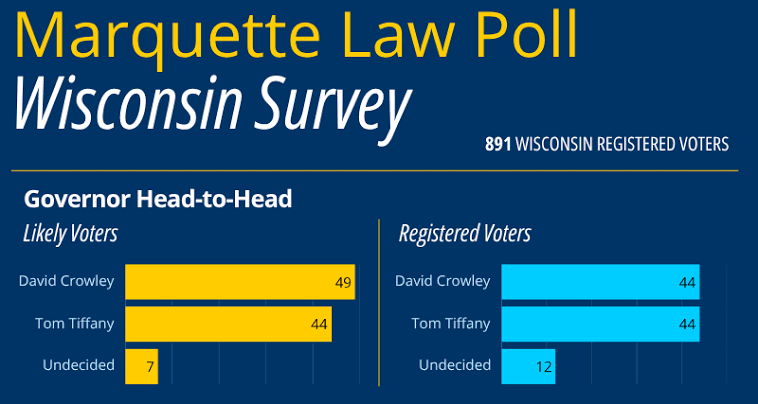
head-to-head polling via Marquette Law School
Independent voters give Crowley his clearest advantage and his greatest vulnerability. He leads the group by 44% to 18%, but 38% remain undecided and his independent support has fallen since August. Tiffany’s large financial advantage gives Republicans the resources to contest those voters, while Democratic turnout certainty currently protects Crowley from the full effect of that spending.
Independent Support Gives Crowley an Unstable Advantage
Crowley’s statewide edge rests partly on voters who have not settled firmly behind either candidate. Independent likely voters support him by a 26 percentage point margin, yet more than one third remain undecided. Subgroup results also carry more statistical uncertainty than the statewide figures because they come from fewer respondents.
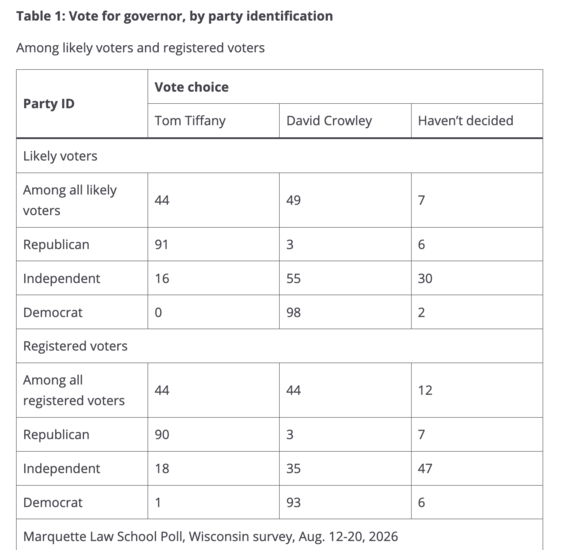
Independent uncertainty keeps Wisconsin’s gubernatorial outcome unresolved, via Marquette Law School Poll.
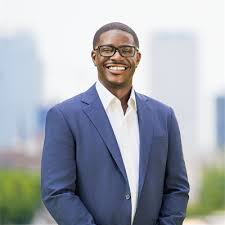
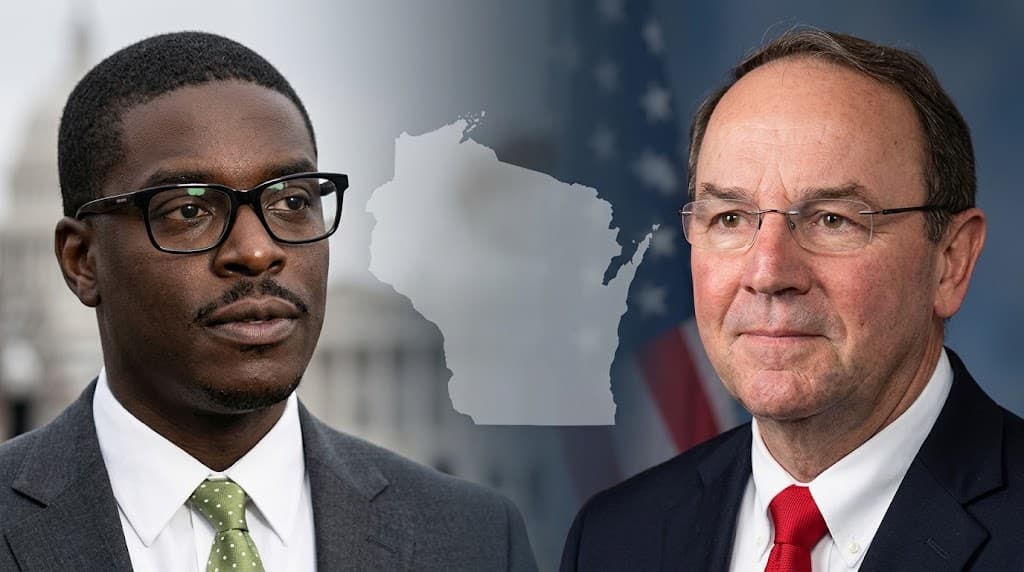
David Crowley, Milwaukee County Executive, via Milwaukee County.
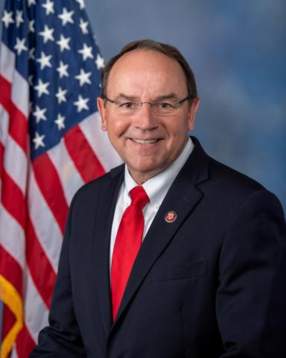
Tom Tiffany, United States Representative, via Office of Congressman Tom Tiffany.
Movement since August shows why Crowley cannot treat those voters as secured. His support among independent likely voters declined from 55% to 44%, while Tiffany increased only from 16% to 18%. Undecided support rose from 30% to 38%, meaning most of Crowley’s decline moved into uncertainty rather than directly into Tiffany’s coalition.
Partisan consolidation has moved in the opposite direction. Tiffany now receives support from 95% of Republican likely voters, an increase from 91% in August. Crowley receives support from 96% of Democratic likely voters, down slightly from 98%.
Regional differences reveal where each coalition is strongest. Crowley leads by 74% to 25% in Milwaukee and 66% to 30% in the Madison media market. Tiffany leads by 57% to 39% around Green Bay and Appleton and by 49% to 41% across the remainder of the state.
Suburban Milwaukee presents a more direct test of persuasion. Tiffany leads that region by 50% to 46%, placing Crowley’s urban advantage beside a closely divided suburban electorate. Neither campaign can rely exclusively on urban or rural turnout when suburban voters can erase part of the opposing party’s geographic strength.
Candidate perceptions deepen Crowley’s independent problem. Among all registered voters, only 31% view him favorably and 44% view him unfavorably, producing a net rating of negative 13 percentage points. Tiffany stands at 39% favorable and 45% unfavorable, giving him a net rating of negative 6 points.
Crowley remains less familiar to voters than Tiffany. About 25% of registered voters have not heard enough about Crowley to form an opinion, compared with 15% for Tiffany. That gap gives Democrats room to improve Crowley’s image, but it also leaves Republicans an opportunity to define him before undecided voters form a favorable impression.
Financial Power Has Changed the Pressure, Not the Leader
Tiffany entered the final campaign period with a decisive fundraising advantage. Wisconsin campaign finance reports show that he raised approximately $26.3 million between July 1 and September 23, while Crowley raised approximately $10.2 million. Tiffany finished the period with about $12.3 million in cash, compared with about $2.8 million for Crowley.
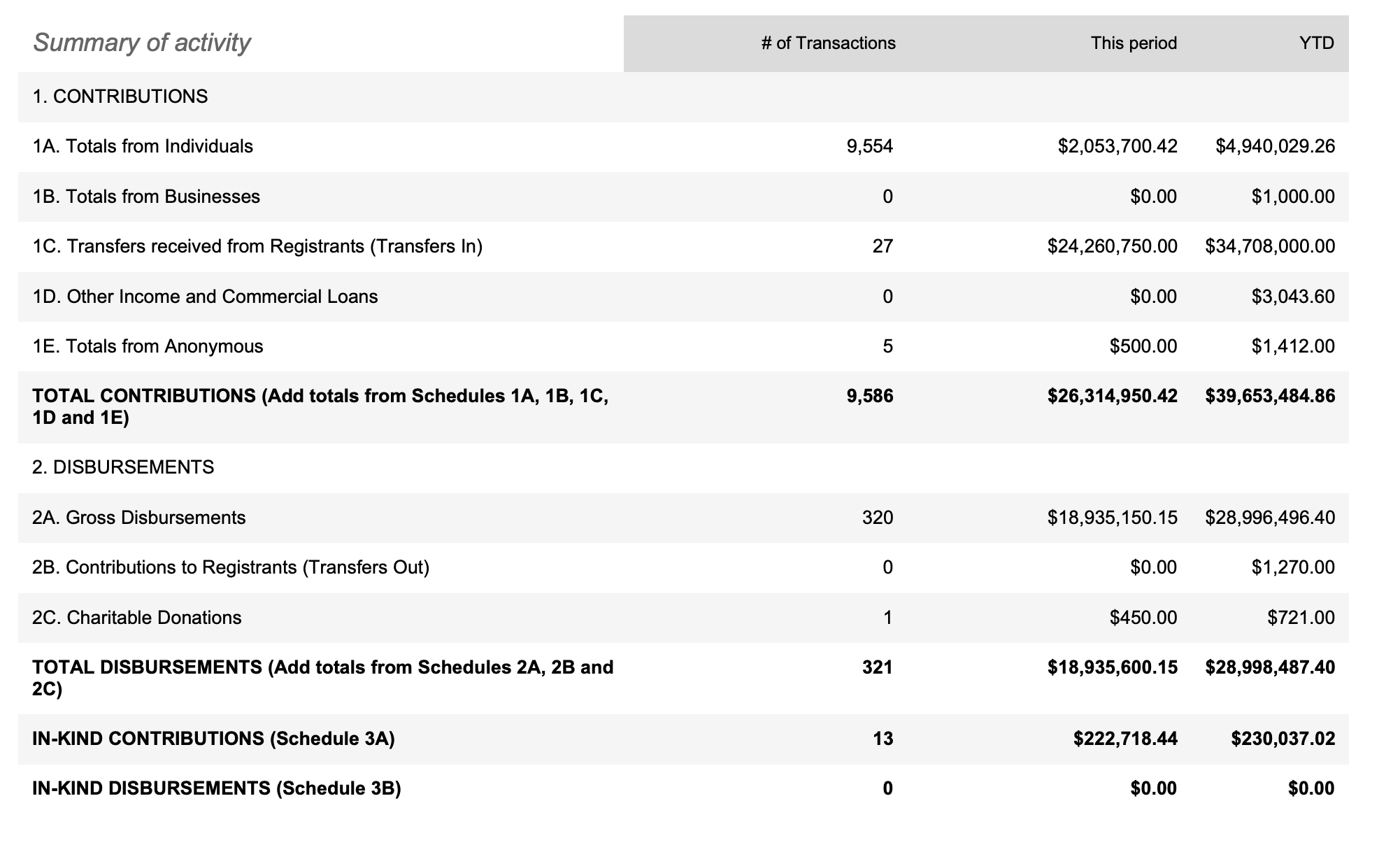
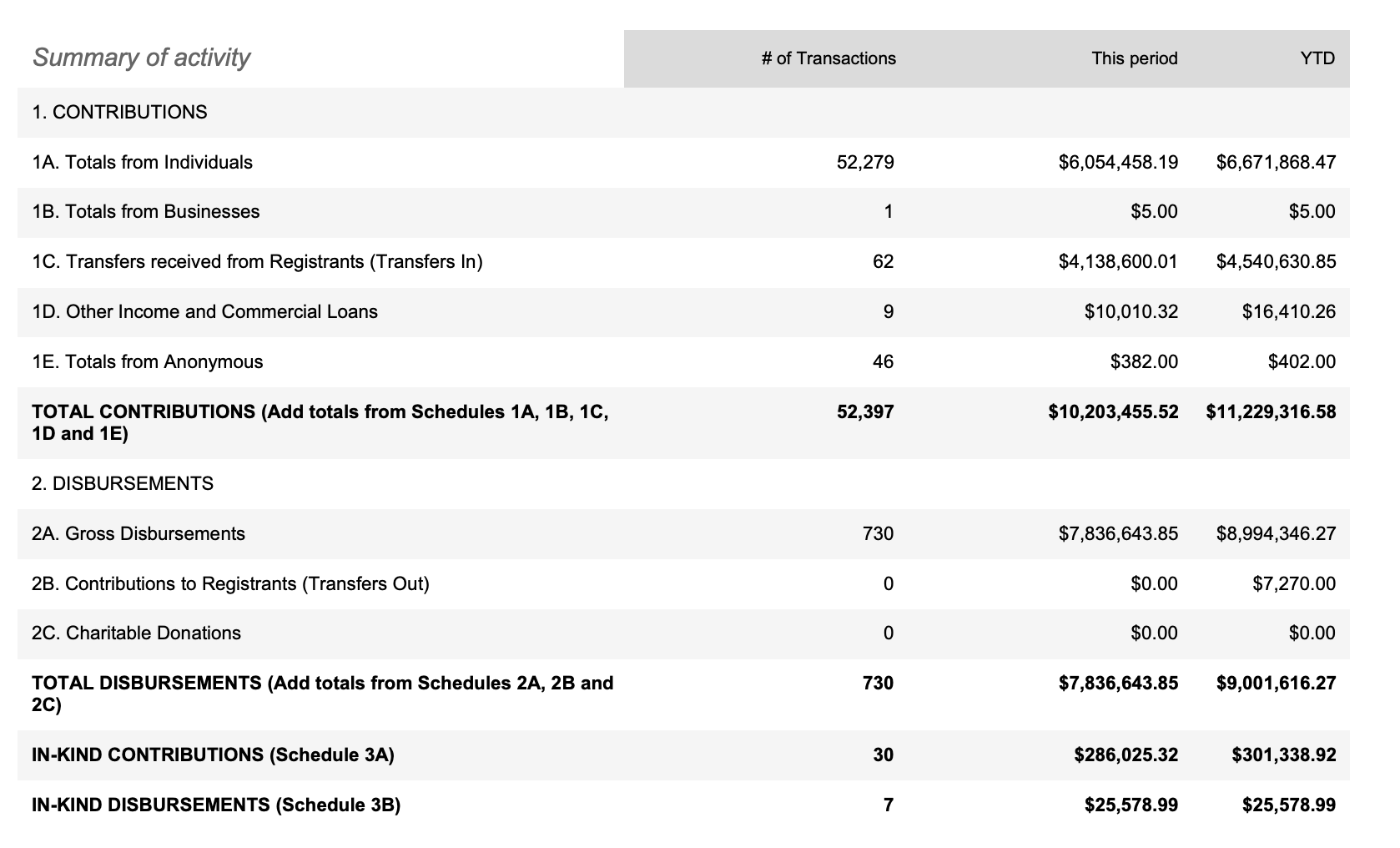
[BODY VISUAL: Place the summary pages from the two linked Wisconsin campaign finance reports side by side, showing contributions, spending and ending cash balances.]
Official reports show Tiffany’s financial advantage over Crowley’s campaign fundraising, via Wisconsin Ethics Commission
Party transfers created most of Tiffany’s advantage. His campaign reported approximately $24.3 million in transfers during the period, compared with about $4.1 million received by Crowley. Wisconsin Public Radio reported that Diane Hendricks and Richard and Elizabeth Uihlein supplied most of the money that the Wisconsin Republican Party subsequently transferred to Tiffany.
Democratic donors and organizations also used party and committee transfers to support Crowley. His campaign received money from the Democratic Party of Wisconsin, labor organizations and political committees. That support was substantial, but it did not match the scale of the Republican operation.
Advertising totals show how fundraising power has reached voters. Associated Press reporting based on AdImpact data placed spending by Tiffany and his supporters at approximately $40 million, compared with $26 million by Crowley and his supporters. Tiffany’s side therefore held an estimated $14 million advertising advantage entering October.
Crowley’s favorability deteriorated during the same period. His net rating moved from positive 4 points in August to negative 13 points in September, while the share unable to rate him declined from 38% to 25%. Those movements show that more voters formed opinions as advertising intensified, but the survey does not prove that Republican advertisements alone caused the change.
Partisan movement explains much of the decline. Crowley’s unfavorable rating among Republicans rose sharply as more of them became familiar with him, while opinions among Democrats changed relatively little. Advertising may have accelerated that partisan definition without producing comparable movement in the statewide vote.
Tiffany’s spending has therefore achieved only part of its political objective. Republicans have reduced the number of voters without an opinion of Crowley and weakened his personal image, but Tiffany still trails within the poll’s likely voter sample. Converting negative perceptions of Crowley into affirmative support for Tiffany remains the more difficult task.
Turnout and Cost Pressures Pull in Different Directions
Turnout certainty currently gives Crowley a measurable advantage. Marquette found that 85% of Democratic registered voters were absolutely certain to vote, compared with 78% of Republicans. Only 61% of independents expressed the same certainty, limiting the immediate value of Crowley’s large but unsettled advantage within that group.
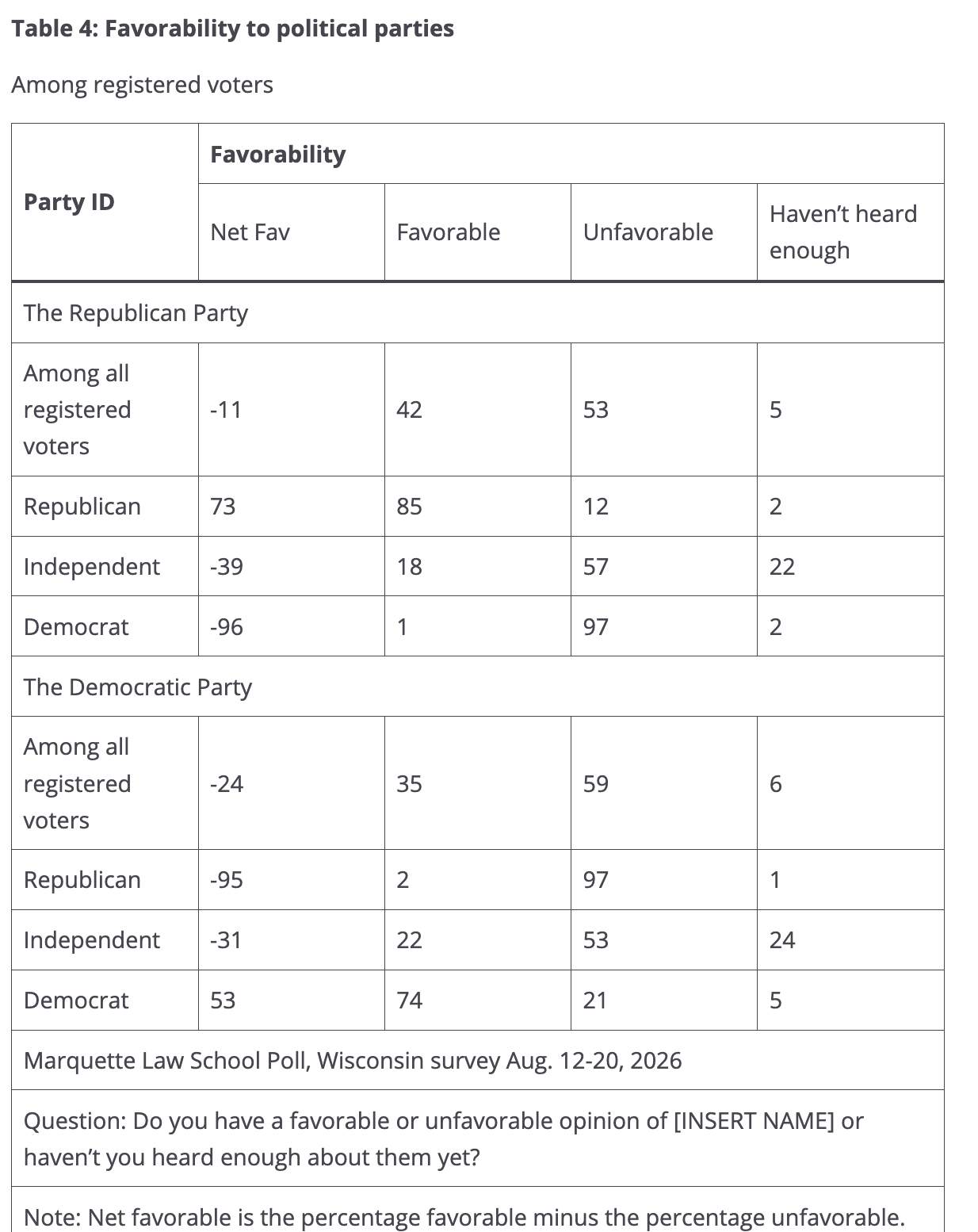
Democratic turnout certainty exceeds Republican and independent motivation, via Marquette Law School Poll.
Likely voter screens give greater influence to respondents who say they are certain to participate. That helps explain why Crowley leads by 49% to 46% among likely voters but only 46% to 45% among all registered voters. His apparent advantage depends partly on current participation intentions rather than a substantially larger statewide coalition.
Tiffany’s path requires Republican consolidation to become Republican turnout. His support among Republican likely voters has reached 95%, leaving little additional room for persuasion within the party. Republican organizers instead need to close the 7 percentage point certainty gap and prevent Democratic participation from outweighing Tiffany’s rural strength.
Crowley faces the reverse challenge with independents. His 26 percentage point advantage matters only if those voters make a decision and participate. Lower independent turnout means the campaign cannot simply apply the subgroup margin to the broader electorate.
Economic dissatisfaction adds another layer of uncertainty. Inflation and the cost of living rank as the most important issue for 45% of registered voters, far above immigration and border security at 11%. Another 43% say they are financially worse off than one year earlier, while only 16% report improvement.
Voters also connect that dissatisfaction to the national administration. About 65% say President Donald Trump’s policies increase inflation, while 20% believe they reduce it. Trump’s Wisconsin approval stands at 38%, with 60% disapproving, including 81% disapproval among independents.
Those numbers create an unfavorable political environment for a Republican nominee closely associated with the president. Tiffany can still compete by keeping the race focused on state issues, Crowley’s record and personal reservations about the Democratic nominee. Crowley benefits when voters treat household costs and dissatisfaction with Trump as reasons to support change in Madison.
Neither campaign can rely on the national environment alone. Crowley must rebuild confidence among independents while preserving the Democratic turnout advantage. Tiffany must use his financial superiority to improve his own support rather than merely increase Crowley’s unfavorable rating.
Wrap Up
Wisconsin’s gubernatorial race remains a statistical contest rather than a clear Crowley lead. His 49% to 46% advantage falls within the survey’s margin of error, and his strongest subgroup includes a large undecided population. Tiffany has consolidated Republican support but has not converted his financial advantage into first place.
Independent voters carry the greatest potential to change the result. Crowley leads them comfortably, but his support has declined while uncertainty has increased. Tiffany gains little unless those undecided voters move toward him rather than remain uncommitted or stay home.
Money and turnout now create competing advantages. Tiffany holds more financial capacity and a larger advertising operation, while Crowley benefits from stronger Democratic voting certainty and widespread dissatisfaction with the national Republican administration. Whichever campaign converts its existing advantage into actual votes will decide Wisconsin’s first open race for governor in 16 years.