-Sep-11-2026-10-13-55-7064-AM.jpg)

Michigan’s Senate contest is changing fast as competing polls expose a volatile electorate and sharply different coalition challenges.
What to Know
- A 50% to 45% result gives Abdul El-Sayed a clear advantage in one survey of 779 likely voters.
- Registered voters support El-Sayed over Mike Rogers by 48% to 44% in the same survey.
- El-Sayed depends heavily on younger voters to sustain his current coalition.
- Rogers performs better among independent voters than Michigan’s Republican gubernatorial nominee.
- Conflicting September polls confirm that neither campaign can treat Michigan as settled.
A new poll has forced both parties to reconsider Michigan’s open Senate race. The Michigan State University State of the State Survey places Democratic nominee Abdul El-Sayed at 50% and Republican nominee Mike Rogers at 45% among likely voters. That result gives El-Sayed a meaningful advantage in one survey, but Michigan’s rapidly changing polling prevents either campaign from treating it as a stable lead.
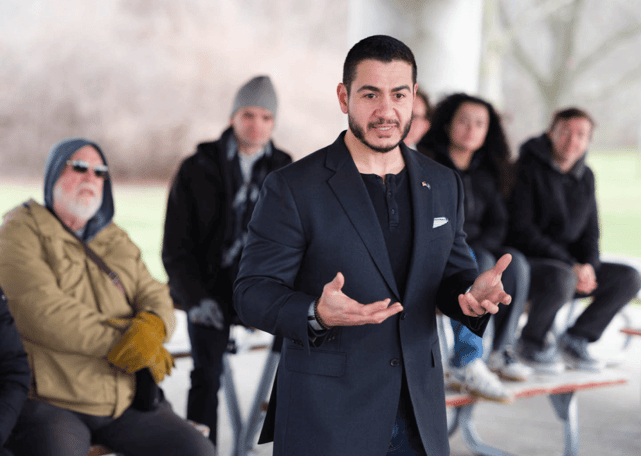
Abdul El-Sayed, Michigan Democratic Senate nominee, via Abdul for Senate.
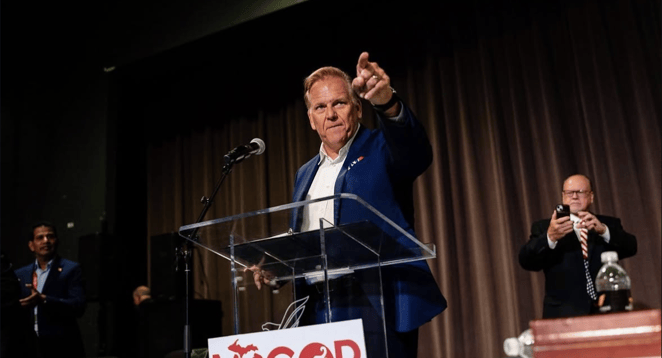
Mike Rogers, Michigan Republican Senate nominee, via Rogers for Senate.
Michigan State University released the poll on September 1, 2026, following interviews conducted from August 10 through August 20. Its Office for Survey Research interviewed 1,000 Michigan adults through a YouGov online panel, including 913 registered voters and 779 likely voters. Campaigns should read those results beside the broader RealClearPolling tracker, which continues to classify the race as a Toss Up and shows how quickly individual margins can change.
Five Points Redraw the Immediate Map
El-Sayed’s 50% to 45% advantage among likely voters gives Democrats an important general election signal. He also leads Rogers 48% to 44% among registered voters, producing a similar direction across two voter groups. Reaching 50% in the likely voter result matters because El-Sayed does not depend entirely on undecided voters to create his advantage.
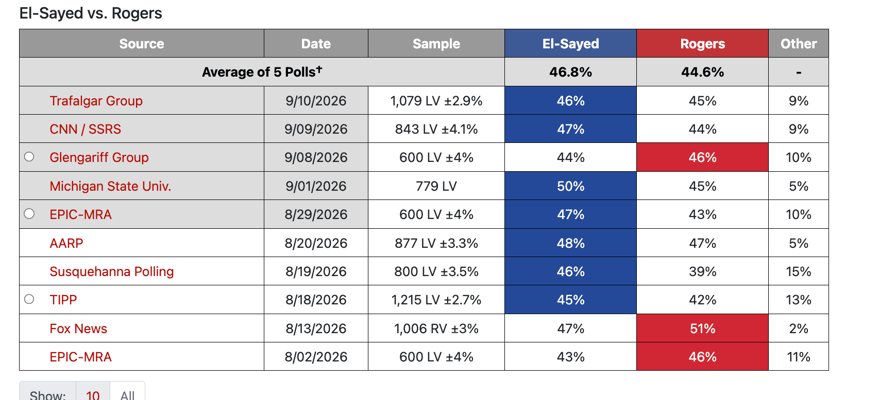
MSU places El-Sayed five points ahead, via 270toWin.
Rogers remains within 5 percentage points, leaving enough room for turnout, persuasion and campaign events to change the result. His campaign must prevent El-Sayed from turning one strong poll into a fundraising and momentum advantage. El-Sayed’s campaign must use the result to strengthen its field organization instead of presenting the race as decided.
Younger Voters Power El-Sayed’s Coalition
Age divides the emerging Democratic coalition. Michigan State University found El-Sayed performing especially well among likely voters younger than 45, while older voters showed stronger support for the more traditional Democratic profile represented elsewhere on the statewide ballot. El-Sayed’s general election strength therefore depends partly on voters who can support progressive candidates but do not always participate at the same rate as older voters.
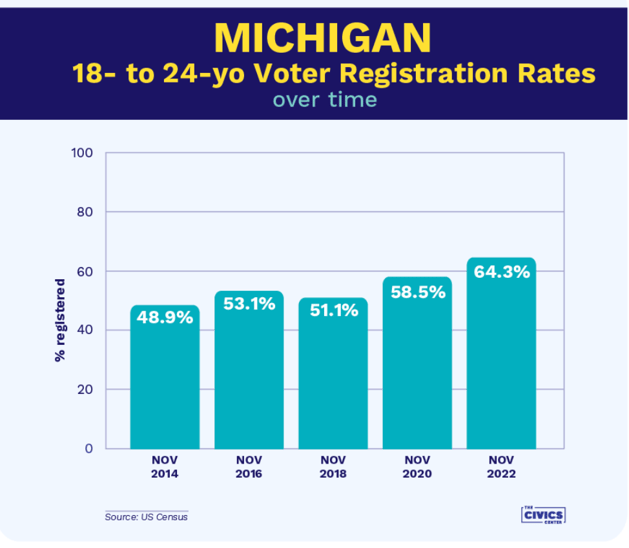
Michigan youth registration increased across recent elections, via The Civics Center.
Reuters reporting places that challenge inside a wider test for progressive candidates. Younger enthusiasm does not automatically secure durable support among Black voters, particularly older voters who may hold more moderate political views. El-Sayed’s field team must convert younger support into registration, early voting and Election Day turnout while building an economic message that reaches older Black voters through trusted local messengers.
Independent Voters Keep Rogers Competitive
Michigan State University reported that Rogers performs better among independent voters than Republican gubernatorial candidates and U.S. Representative John James, even while trailing El-Sayed statewide.
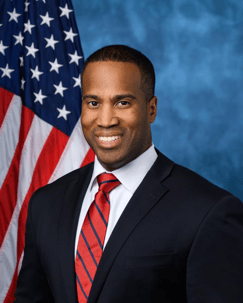
John James, U.S. Representative and Michigan governor candidate, via Congressman John James.
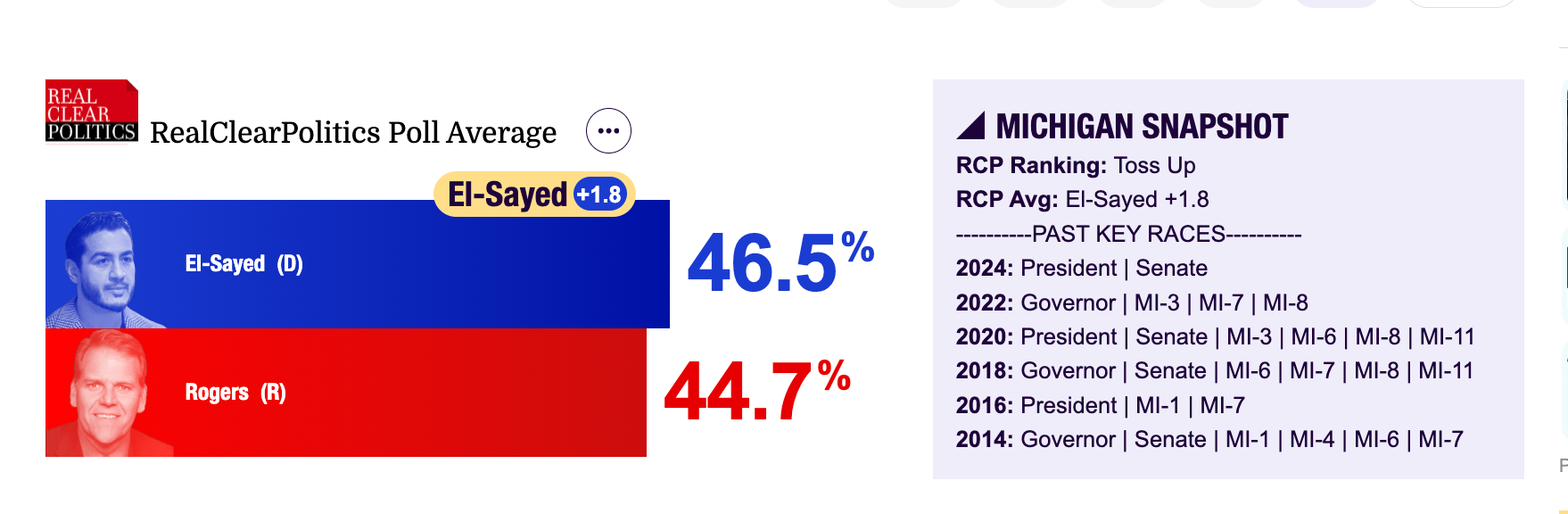
Michigan’s Senate polling average remains close, via RealClearPolling.
Rogers should use high-contrast messaging on household costs, public safety and government performance to turn independent interest into committed support. His campaign cannot rely entirely on Republican consolidation because El-Sayed has already reached 50% in this likely voter sample. Field directors should identify independent-heavy precincts, test which economic contrasts move those voters and coordinate direct mail, digital advertising and door knocking around the strongest message.
New Polls Confirm a Volatile Race
One survey cannot define Michigan. Polling collected by RealClearPolling has repeatedly moved between narrow advantages for both candidates. Its average placed El-Sayed ahead by only 1.8 percentage points on September 11, substantially below his 5-point MSU margin.
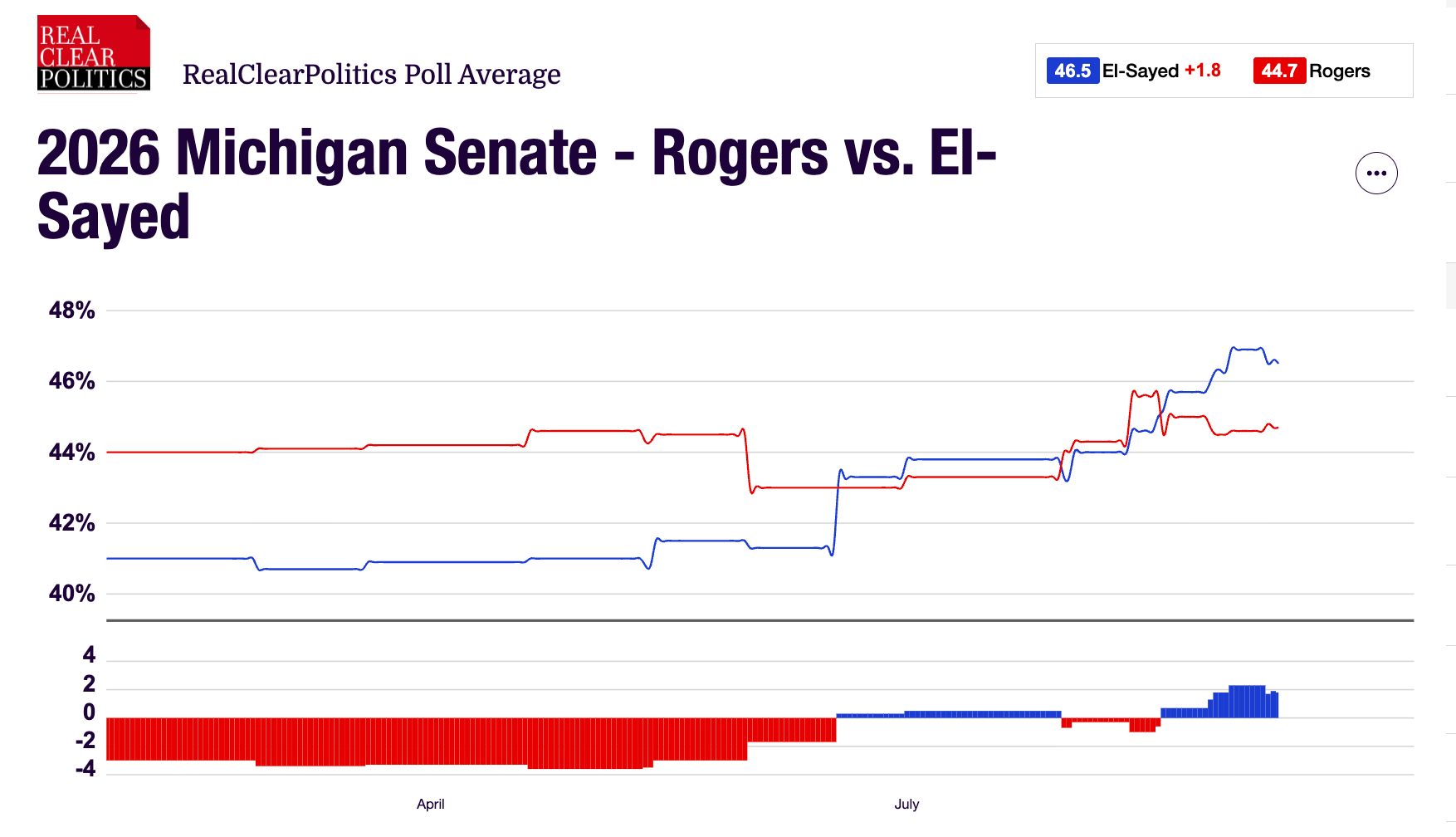
Michigan’s Senate polling continues to move, via RealClearPolling.
More recent surveys reinforce the warning. A Michigan polling list maintained by 270toWin shows September results ranging from a 2 point Rogers lead to a 3 point El-Sayed lead. That spread does not invalidate the MSU result, but it confirms that polling methods, sample composition, field dates and likely voter models can produce different snapshots of the same race.
Campaigns should therefore track movement across several surveys instead of building strategy around the most favorable result. El-Sayed’s 50% to 45% lead shows that he can assemble a winning coalition. Subsequent results show that Rogers retains a clear path to erase it.
Wrap Up
Michigan State University’s survey changed the immediate conversation by placing El-Sayed at 50% and Rogers at 45% among 779 likely voters. It also identified the coalition behind that result. Younger voters give El-Sayed strength, while independent voters provide Rogers with a possible route back.
Reuters adds a harder question for the Democratic nominee. El-Sayed must carry younger enthusiasm into older and more moderate communities without weakening the message that powered his rise. Rogers must define a persuasive economic contrast without assuming Republican identification will close the entire gap.
Neither campaign can govern its decisions through one poll. Field directors should compare every new result by age, party identification and independent support before reallocating volunteers or advertising. Michigan is not moving steadily toward either party, so the campaign that reacts fastest to changing voter signals may determine control of the seat.
-Aug-31-2026-01-05-26-0671-PM.jpg)