
Zohran Mamdani’s victory reflects New York City’s unique economic pressures, not a national shift toward left populism.
What to Know
- Mamdani won by promising a rent freeze and higher taxes on the wealthy, directly addressing New York City's extreme housing costs.
- Economic stability and price pressures are consistently ranked as the top concerns for voters in Michigan, Pennsylvania, and Wisconsin.
- Midwest independent voters prioritize messages about wages and affordability over ideological structural reforms.
- Rust Belt moderates are skeptical of policies that expand government control or raise taxes in ways that could negatively impact jobs or local revenue.
- Mamdani’s model is effective in New York City but does not translate to the economic and political realities of the industrial Midwest.
Zohran Mamdani’s election as mayor of New York City has generated significant national interest. To his supporters, his victory signals a rising appetite for a more assertive left economic agenda. The idea is appealing. Mamdani campaigned on bold proposals that promised visible relief in one of the most expensive cities in the world. But the excitement has led some to assume that this model can extend beyond New York. The evidence from recent elections in the Rust Belt shows otherwise.
A New York Story, Not a National Blueprint
Mamdani’s platform resonated because it addressed New York’s most urgent issue: housing affordability. With median rents above three thousand dollars a month, a rent freeze speaks directly to the daily burden facing city residents. New Yorkers were looking for immediate relief, and Mamdani offered it.
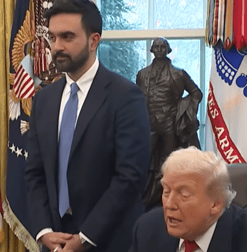
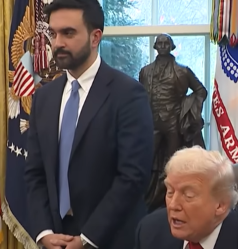
Mayor Zohran Mamdani and President Trump via White House
The Midwest’s political and economic landscape is different. Housing costs are not the central pressure. Wage stagnation, rising grocery prices, and limited job opportunities shape political behavior far more than rent spikes. Proposals like rent freezes or public grocery stores do not match the lived experience of voters in Milwaukee, Grand Rapids, Scranton, or Green Bay.
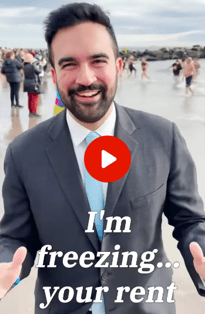
Mayor Zohran Mamdani’s video on freezing rent
Mamdani won because his message matched his market. That does not make it exportable.
What Midwest Voters Are Actually Asking For
Rust Belt voters have been clear about their priorities. Surveys in Michigan, Ohio, Pennsylvania and Wisconsin show strong interest in practical, pro worker economic policies. When presented with an Independent Workers Political Association focused on job protection, wage security and stopping corporate price gouging, 57% of respondents said they would support it. Support rose above 60% among voters without a four year degree, renters, lower income workers, young voters and people who feel worse off than their parents.
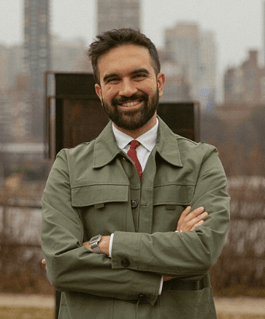
Mayor Zohran Mamdani; image via Wikicommons
When voters ranked economic policies directly against each other, the winners were straightforward ideas that lower costs and impose fairness. Stopping price gouging, preventing involuntary layoffs, guaranteeing access to stable jobs and raising taxes on the wealthy consistently scored highest. More polarizing proposals, including very large minimum wage hikes or universal cash payments, performed less well once voters considered inflation concerns and government waste.
National Democrats have struggled to meet this moment. When messaging drifts away from affordability, wages and job security, Midwest voters disengage. They want candidates who address daily economic pressure, not symbolic fights or brand politics. Mamdani’s platform reflects the dynamics of New York City. It does not align with the economic conditions that decide races in Michigan and Pennsylvania, where voters measure credibility by a simpler test: who will lower costs, protect jobs and stabilize the economy.
The Populist Style Meets a Different Electorate
Mamdani’s campaign style shares traits with national populist figures. Both rely on clear villains and direct, confident messaging that breaks from establishment language. It works in a city frustrated with high inequality and slow-moving institutions.
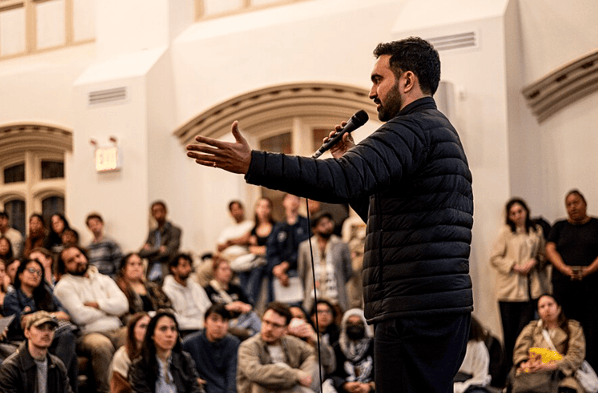
Zohran Mamdani speaking at a DSA 101 meeting at the Church of the Village in NYC. Image via; Wikimedia Commons.
In the Midwest, populism takes a different form. Voters respond to messages about protecting jobs, strengthening local industries, and maintaining community stability. They reward candidates who present themselves as steady, practical, and familiar. They do not reward proposals that introduce uncertainty into already fragile local economies.
The populist energy that Mamdani channels simply does not align with the style of populism that moves votes in the industrial heartland.
Why Mamdani’s Tax Plan Cannot Travel
New York City’s tax base is unusually concentrated among high earners. The city can withstand steep taxes on the wealthy because a small, extremely high-income population funds the majority of local revenue.
 Screenshot of chart taken from The NYC Personal Income Tax Before and After the Pandemic
This is not true in the Midwest. States like Wisconsin, Michigan, and Pennsylvania rely heavily on middle-income earners, small business owners, and manufacturing-linked revenue. Attempts to impose steep increases on “high earners” quickly reach a far broader group than intended. This triggers immediate political resistance and long-term economic concerns. A tax strategy built for New York’s revenue structure cannot simply be transplanted into a state that lacks a Manhattan-sized concentration of wealth.
Implications for 2026
Mamdani’s win is a reminder that candidates succeed when they speak directly to the most urgent pressures facing their communities. It is also a reminder that national parties often misread local victories. Campaigns looking toward 2026 must avoid assuming that the energy behind Mamdani can carry into the Midwest.
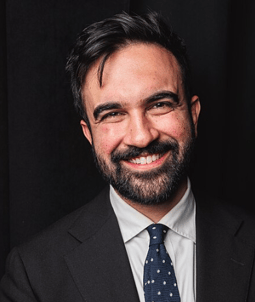
Mayor Zohran Mamdani; image via WikiCommons
Michigan, Pennsylvania, and Wisconsin will decide control of Congress in 2026. These states are driven by voters who value predictability, affordability, and steady governance. Left populist economic proposals that work in dense coastal cities often appear risky or irrelevant in regions still rebuilding from decades of industrial decline.
Wrap Up
Zohran Mamdani’s victory demonstrates the power of tailored messaging and a clear narrative in a city defined by severe economic pressure. But it does not signal a national realignment. The industrial Midwest continues to be shaped by a different set of economic realities and cultural expectations. Campaigns that rely on coastal progressive success as a roadmap for Rust Belt strategy risk repeating the same mistakes that cost Democrats ground in previous cycles.
For 2026 and beyond, the path to winning the Midwest remains rooted in practical economic messaging, not ideological expansion. Mamdani’s story is significant, but it is not a national prototype. It is a reminder that political momentum is always local, and campaigns must build from the ground up.
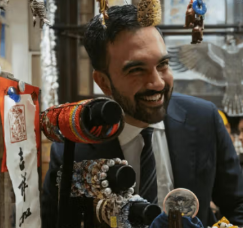
-4.png)
-4.png)


