
The economy unites voters, but Republican immigration priorities and Democratic healthcare concerns create competing paths to the House.
What to Know
- 84% of registered voters say the economy is very important to their congressional vote, including 82% of Republican candidate supporters and 88% of Democratic candidate supporters.
- 72% of Republican candidate supporters call immigration very important to their vote; 82% of Democratic candidate supporters say the same about healthcare.
- Democrats lead Republicans 44% to 36% in one national survey of registered voters’ House preferences.
- Democratic candidate supporters are 17 percentage points more likely than Republican candidate supporters to say they are extremely motivated to vote.
- A separate survey found registered voters preferring Democratic control of the House 47% to 38%, with 15% unsure.
The economy is the rare issue that reaches across the 2026 midterm divide. In a Pew Research Center survey conducted September 28 through October 4, 84% of registered voters said it was very important to their congressional vote. The figure was 82% among voters supporting Republican House candidates and 88% among those supporting Democrats. That is broad agreement about importance, not agreement about which party has the better answer.

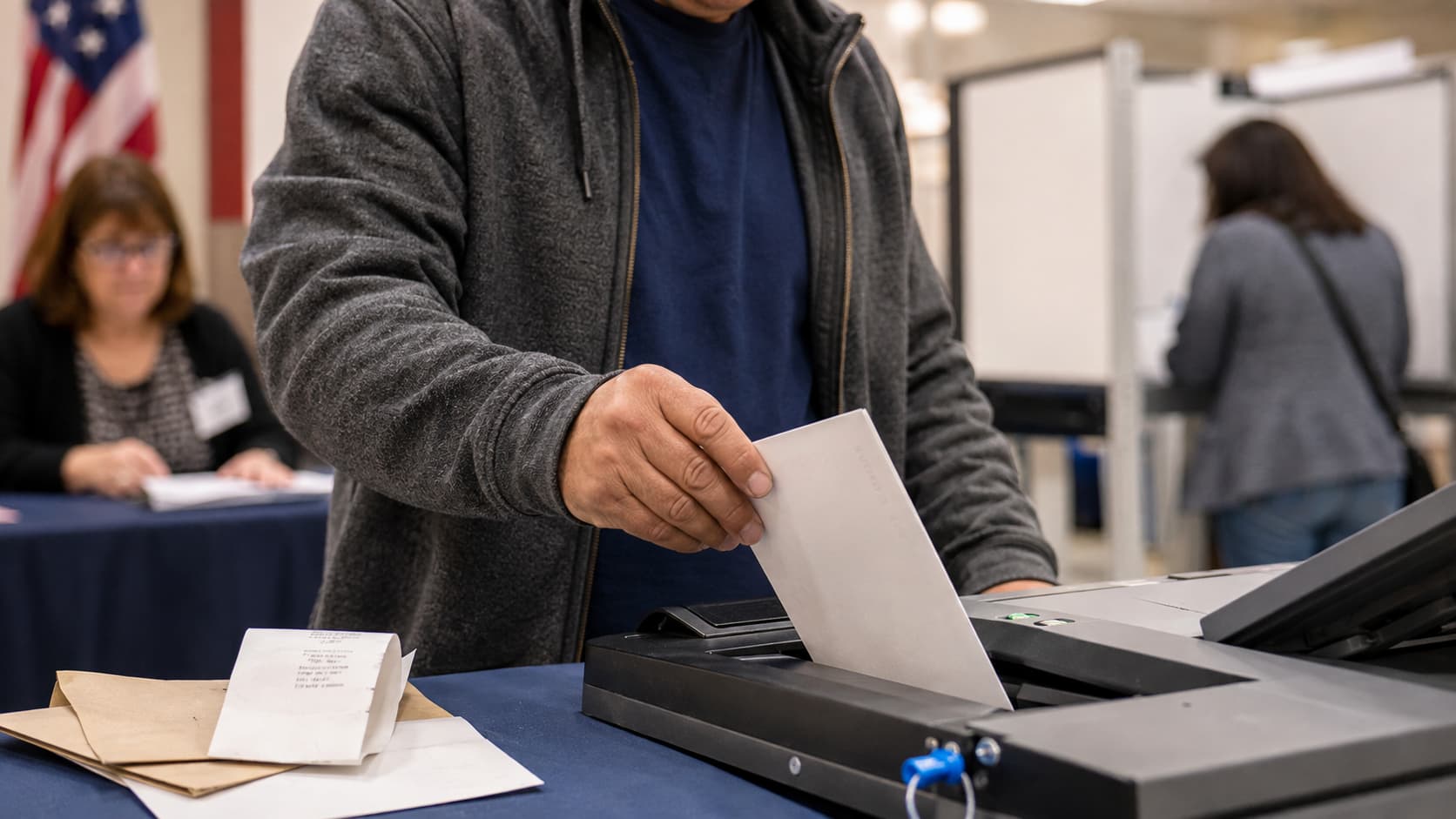
Minnesota voter leaves polling place during the 2024 presidential election, via Lorie Shaull/Wikimedia Commons.
The divisions emerge in the issues voters place alongside the economy. Republican supporters give greater weight to immigration, while Democratic supporters place greater weight on healthcare and the future of democracy. For candidates competing for House control, the question is not whether to discuss the economy. It is whether they can connect their party’s other priorities to the costs and decisions voters face at home.
Household Costs Give the Economy Its Reach
The economy’s standing as a voting issue reflects concern about specific expenses. In a separate Pew analysis of the same survey, 74% of U.S. adults said they were very concerned about gasoline and energy prices, up from 60% in July. Concern about food and consumer goods stood at 73%, followed by healthcare costs at 69% and housing costs at 66%. These are measures of adults’ concern about national economic issues, not a ranking of what registered voters named as the single most important factor in their ballots.
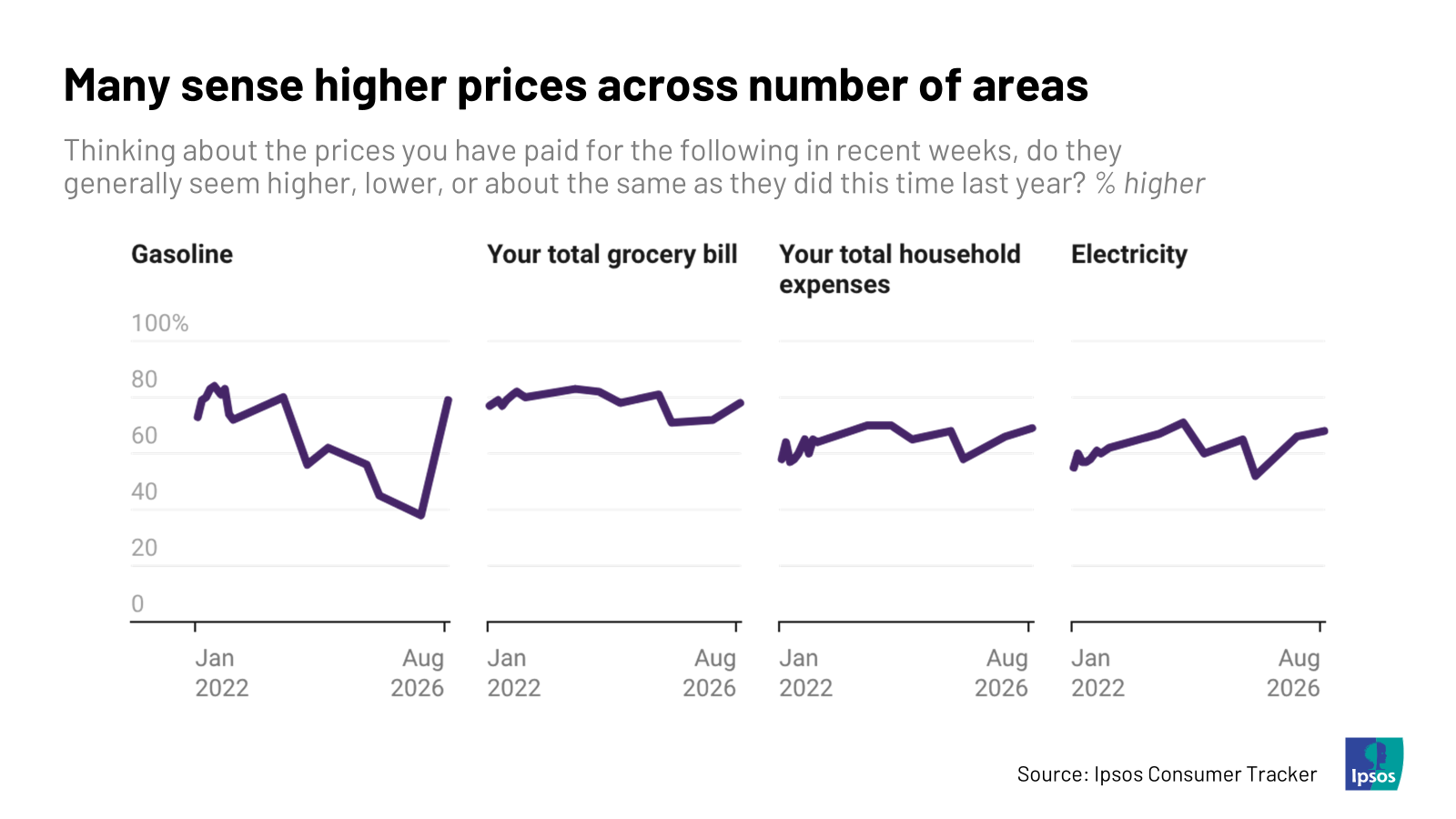
Americans report rising prices across groceries gasoline housing and healthcare, via Ipsos.
Those pressures give both parties opportunities, but they also make broad economic claims easier to test. A candidate promising lower costs needs to identify which costs, what Congress could change and when voters might see a result. An argument about economic growth will sound incomplete to a household struggling with insurance, groceries or its monthly utility bill.
The concerns are shared without being identical. Pew found that 81% of Democrats and Democratic-leaning adults were very concerned about gasoline and energy prices, compared with 65% of Republicans and Republican leaners. Both figures represent majorities. Neither allows a campaign to treat household costs as the exclusive concern of its own voters.
Immigration and Healthcare Divide the Parties’ Priorities
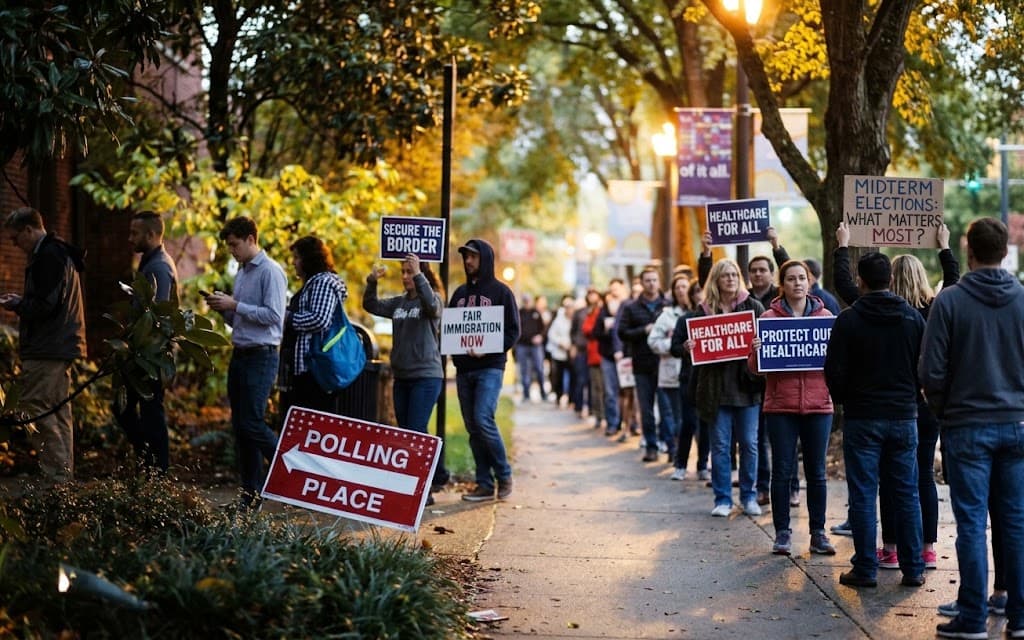
Beyond the economy, Republican and Democratic candidate supporters describe different election agendas. Pew found that 72% of Republican supporters considered immigration very important to their vote, compared with 53% of Democratic supporters. On healthcare, the pattern reversed: 82% of Democratic supporters called it very important, compared with 53% of Republican supporters.
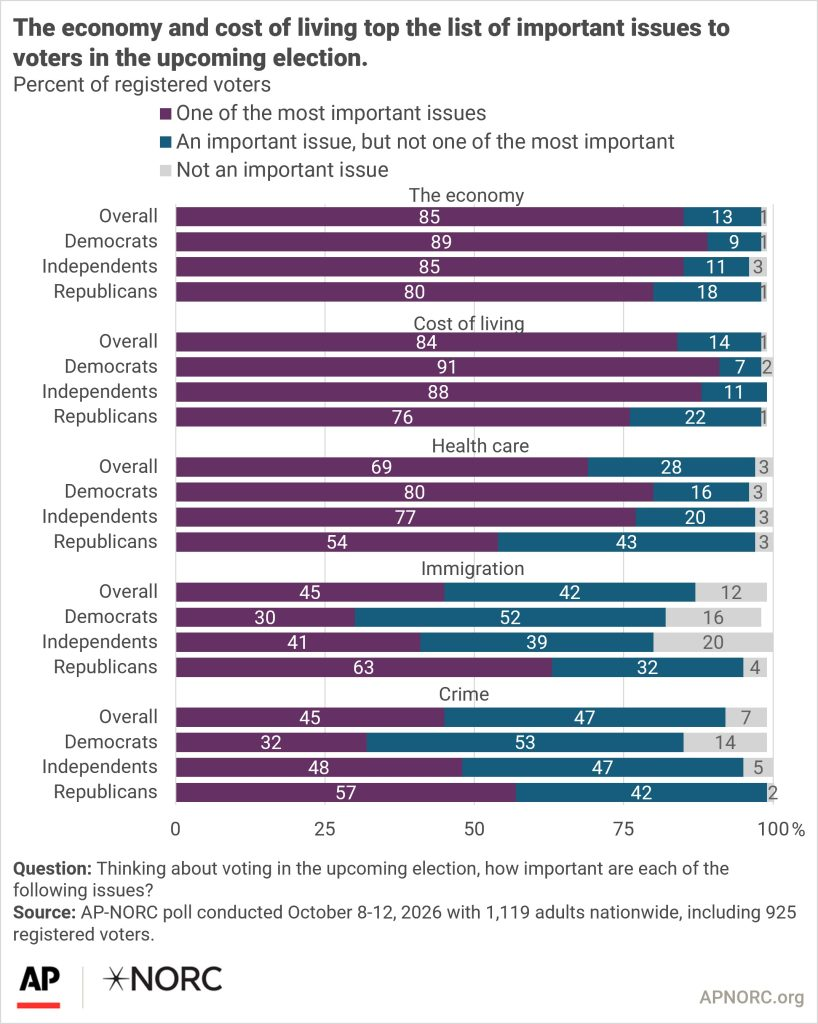
Republicans emphasize immigration while Democrats prioritize healthcare alongside economic concerns, via AP-NORC.
Those differences describe issue importance, not automatic support for a party’s policy. A voter can consider immigration important and oppose a particular enforcement measure. Another can prioritize healthcare without endorsing every proposal offered by a Democratic candidate. Campaigns still have to persuade voters that their chosen approach would improve a problem they recognize.
The contrasts extend beyond those 2 issues. The future of democracy was very important to 85% of Democratic supporters and 69% of Republican supporters. Violent crime mattered greatly to 64% of Republican supporters and 37% of Democratic supporters. Even when candidates begin with the same economic message, they are often trying to retain coalitions motivated by different concerns.
That creates a practical test for each party. Republicans can connect immigration to their arguments about jobs, public resources and government capacity, but those connections require evidence rather than assumption. Democrats can connect healthcare to premiums, medical bills and household security, but they must explain how their proposals would change those costs. The economy opens the conversation; the policy details determine whether it goes anywhere.
A Democratic Edge Is Not an Election Result
Pew measured Democratic House candidates ahead 44% to 36% among registered voters nationally, an 8-percentage-point advantage. Another 5% preferred a different candidate, while 15% were unsure. That is an individual survey of stated preferences, not a forecast of House seats or a finding that every competitive district leans Democratic.
Engagement adds a second consideration. Among supporters of Democratic House candidates, 63% told Pew they were extremely motivated to vote, compared with 46% of Republican candidate supporters. Democratic supporters were also 14 percentage points more likely to say they had given the election a lot of thought. Stated motivation can help explain the campaign environment, but turnout still has to happen.
A later Associated Press-NORC survey conducted October 8 through October 12 asked a different question: which party voters wanted to control Congress. It found 47% preferred Democratic control of the House, 38% preferred Republican control and 15% were unsure. That result should not be averaged with Pew’s candidate-preference numbers. The surveys measured related but distinct choices in different samples and at different times.
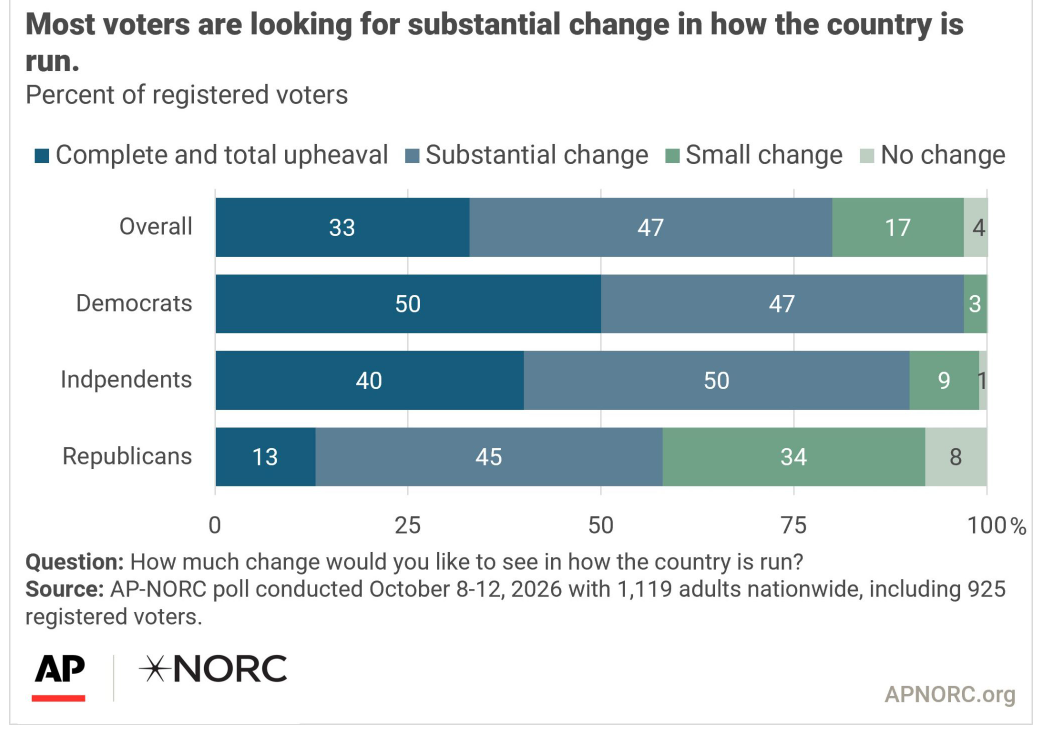
Registered voters favor Democratic control while substantial uncertainty remains nationally, via AP-NORC.
The Democratic advantages give Republican candidates a difficult environment, not an impossible one. National preferences do not distribute evenly across districts, and issue salience does not guarantee that a voter chooses the party emphasizing that issue. Democrats, meanwhile, still need to turn economic frustration and reported enthusiasm into votes. Neither party can substitute a national number for a convincing local case.
Wrap Up
The 2026 midterms have a shared starting point: voters across both parties say the economy matters. The agreement ends well before the policy debate does. Republicans enter that debate with supporters particularly focused on immigration, while Democrats draw energy from voters concerned about healthcare and democracy.
The polling gives Democrats a national House preference lead and a more motivated group of candidate supporters. It does not determine turnout, settle close districts or establish that voters approve of every Democratic economic proposal. Republicans have room to compete if their candidates can address costs while making a credible case on the other issues their voters prioritize.
The sharper campaign question is what each candidate will do with the overlap. Voters who worry about bills may also worry about immigration, healthcare or public safety. Candidates who can explain how their priorities affect a household’s choices will offer more than a slogan about the economy.