
Why choosing the right creators is now central to every modern campaign.
What to Know
- Manual discovery on TikTok, Instagram, and community networks consistently outperforms paid databases for finding aligned creators.
- Small, local influencers drive higher trust, stronger persuasion, and better voter retention than large national accounts.
- Outreach works best when campaigns provide clear expectations, transparent rate ranges, and quick pathways to a short introductory call.
- Contracts must define usage rights, NDAs, content approvals, payment schedules, and mandatory post-cycle takedown requirements.
- Influencer content performs strongest when fully integrated into the media plan from the start, not treated as a last-minute tactical add-on.
Influencer identification works best through manual platform searches and social listening. Voter trust increases when campaigns elevate small, local creators rather than large national accounts. Outreach succeeds when campaigns provide clarity on expectations and compensation. Contracts must define usage rights, NDAs, and post-cycle takedown requirements. Influencer content performs strongest when integrated into the larger media plan from the outset.

Influencer strategy has matured into one of the most critical components of a campaign’s media ecosystem. What began as a novelty tactic has evolved into a primary channel for reaching voters who distrust political advertising and prefer to hear from people who feel familiar, relatable, and culturally fluent.
The AAPC webinar on influencer engagement underscored this seismic shift. Every strategist on the panel argued that the campaigns winning consistently are the ones investing in creators early, treating them as core partners, and weaving their content into the broader communications plan.
Screenshot of American Association of Political Consultants logo taken at website
This guide outlines a practical framework for discovering, recruiting, contracting, and managing political influencers using the methods shared by top digital practitioners who have directed creator programs for statewide races, ballot measures, and national public affairs campaigns.
How Strong Campaigns Actually Find Influencers
The panelists agreed that the best creator lists do not come from pricey subscription tools. They come from manual discovery. TikTok Creator Search, platform social listening, comment-section scouting, and referrals from volunteer groups remain the highest-performing methods.
One strategist explained that TikTok’s search bar is more valuable than most enterprise databases because it reflects authentic cultural conversations in real time. By searching the issue rather than the hashtag, campaigns surface creators who already speak organically about topics the campaign needs to advance.
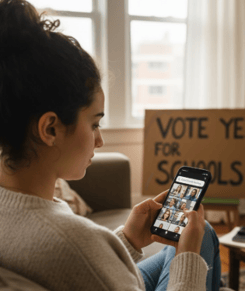
Local discovery is even more powerful. A creator with 8,000 followers in a rural county can outperform a national influencer with 800,000 because their audience recognizes them. They shop in the same grocery store. Their kids attend similar schools. They speak with community familiarity, not political polish. The panel emphasized that credibility drives persuasion, not scale. This is especially true in ballot measure campaigns, where people want to hear from neighbors, not celebrities.
Junior staffers, organizers, and volunteers often excel here. They recognize emerging creators, micro communities, campus voices, and niche subcultures that platforms rarely classify correctly. The most effective programs build discovery into daily operations and do not treat it as a one-time list-building exercise.
Outreach That Earns a Response
Creators ignore unclear outreach. Campaigns that succeed are the ones that communicate with speed, precision, and respect. One panelist said their team increased response rates simply by putting a ballpark rate in the subject line. It signals seriousness and eliminates the guesswork that creators resent. Campaigns should also be transparent in the first message about the general topic, timeline, and the fact that they are making an initial inquiry rather than locking in a firm offer.
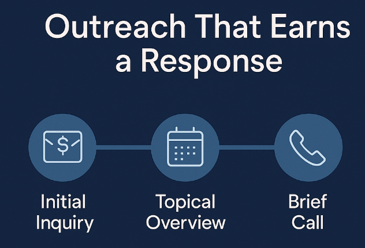
The next step is conversation. Every strategist on the panel stressed the importance of getting creators on a brief call. This is where campaigns assess alignment, interest, and comfort level. Some creators understand complex issues immediately. Others need additional guidance, and some are not a fit at all. A short conversation saves the campaign from misfires that become costly during peak season.
Security and discretion matter as well. Political work involves sensitive information, so teams often require NDAs even during the exploratory phase. This protects the campaign and sets a professional tone that creators appreciate.
What Fit Actually Looks Like
Strong campaigns look past vanity metrics and focus on what actually drives persuasion. The panel emphasized that follower counts are a weak predictor of real influence. This aligns with guidance from Campaigns and Elections, which notes that audience size, reach, and impressions are different metrics that often get misinterpreted. Large accounts also accumulate inauthentic followers over time, so follower totals rarely reflect true visibility.
Campaigns that select creators effectively focus on tone, values, local relevance, and the quality of audience engagement. A smaller creator with strong community trust will often outperform a larger account whose audience is broad or unfocused. Metrics such as views, watch time, and meaningful audience reactions provide a more accurate picture of impact than likes or follower numbers.

Strong campaigns look past vanity metrics and focus on what actually drives persuasion. The panel emphasized that follower counts are a weak predictor of real influence. This aligns with guidance from Campaigns and Elections, which notes that audience size, reach, and impressions are different metrics that often get misinterpreted.
This is why rigid rate formulas tied to follower count are becoming outdated. Flexible budgeting allows teams to prioritize authentic storytellers who can communicate credibly within the campaign’s message architecture.
The goal is to invest in creators who can move their audience, not simply reach one.
How to Contract and Manage Creators Effectively
Contracts are not optional. They are the operational backbone of a successful influencer program. Every strategist emphasized the need for clear usage rights, content approval processes, platform specifications, and deadlines. Campaigns must also include takedown or archiving requirements after the election. Leaving political content up indefinitely exposes everyone to unnecessary risk.
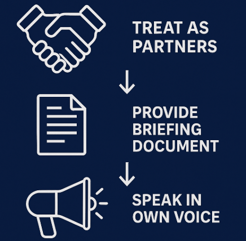
Creators must also be treated as partners, not freelancers who can be handed a script. Political messaging fails when the content feels forced. The panel stressed the importance of giving creators thorough briefing documents but allowing them the freedom to speak in their own voice. This combination delivers accuracy and authenticity, the two factors voters trust most.
Campaigns should also be prepared for a high-touch environment. One strategist described being available at all hours to resolve questions quickly, approve drafts, and troubleshoot posting issues. That level of support keeps creators confident, engaged, and willing to work inside campaign timelines that are often compressed.
Integrating Influencers Into the Full Media Plan
Influencer content performs best when it is part of the full funnel. Campaigns that silo creators as a stand-alone tactic leave impact on the table. When creator content is paired with paid media, retargeting, SMS, email fundraising, and field operations, the messaging becomes coherent and cumulative.
Influencers are the bridge between policy language and everyday explanation. When campaigns amplify high-performing creator content, they combine authenticity with scale. The panel highlighted how smaller budgets can do more when amplified through reshares, boosts, and quote tweets, especially in down-ballot environments where traditional media coverage is limited.
Starting early is non-negotiable. A long runway allows creators to warm up the audience, introduce issues, build familiarity, and support the campaign through the final GOTV push. Early activation also gives campaigns time to troubleshoot production issues and adapt content to emerging news cycles.
Wrap Up
Political influencers have become essential to modern campaigns because they translate policy and persuasion into the language people use in their daily lives. Voters trust them, follow them, and look to them for cues long before paid ads appear in their feeds. The AAPC panel reinforced that successful campaigns do not wait until the final months to start building these partnerships. They start early, invest in the right messengers, and integrate creator content across the full media mix.
Looking ahead to 2026, the campaigns that thrive will be the ones that elevate local voices, prioritize authenticity over scale, and manage creators with professionalism and strategic intent. The right messenger does not just deliver a message. They shift voter understanding in ways traditional political communication cannot match.
.png)