
Recent Articles
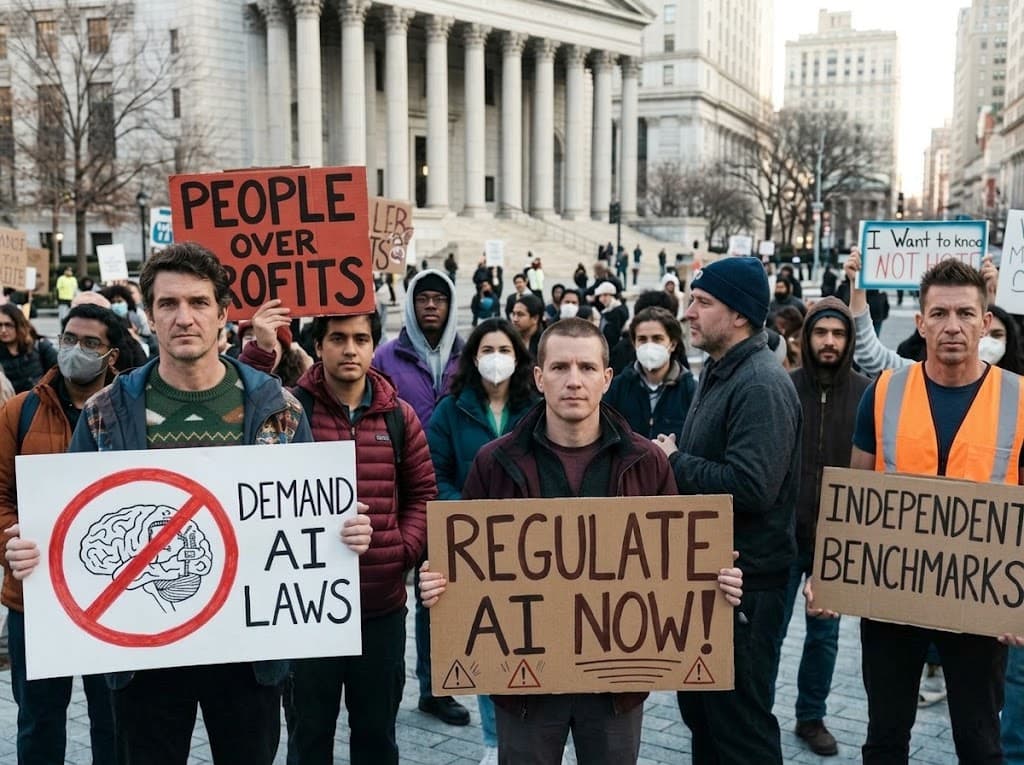
Voters increasingly fear advanced artificial intelligence and distrust corporate safeguards, creating broad political...
Google and YouTube election ads require verified advertisers, restricted targeting, payer identification and...
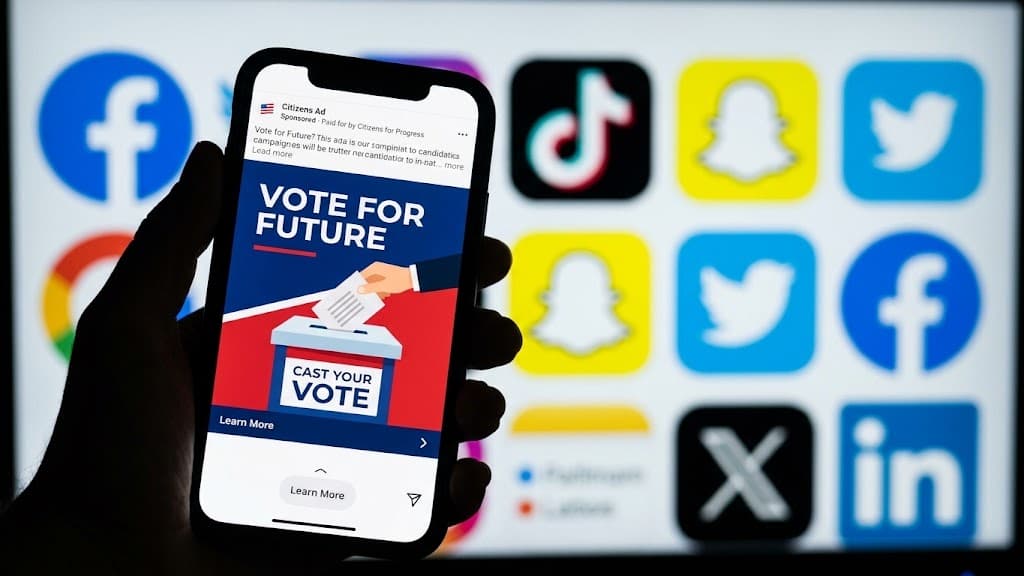
X and Snapchat permit qualified political advertisers, while TikTok and LinkedIn close paid campaign channels under...
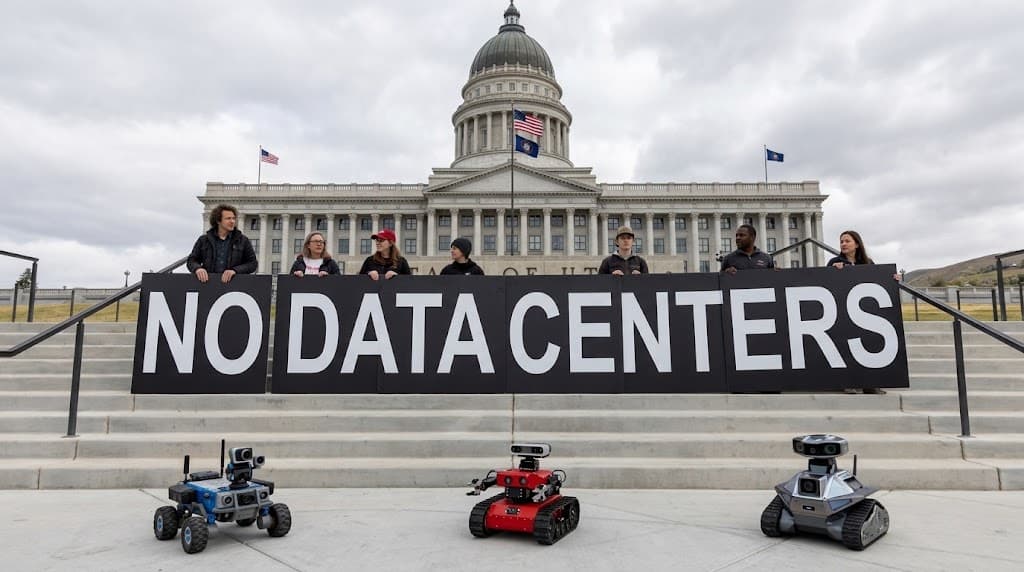
Local fights over electricity, water and permitting are turning artificial intelligence infrastructure into a...
-Sep-14-2026-09-00-24-5632-AM.jpg)
Voter anger over power bills and secret subsidies is turning data center approvals into a campaign liability.

Verification may improve political email delivery, but strict eligibility and recipient feedback will still determine...
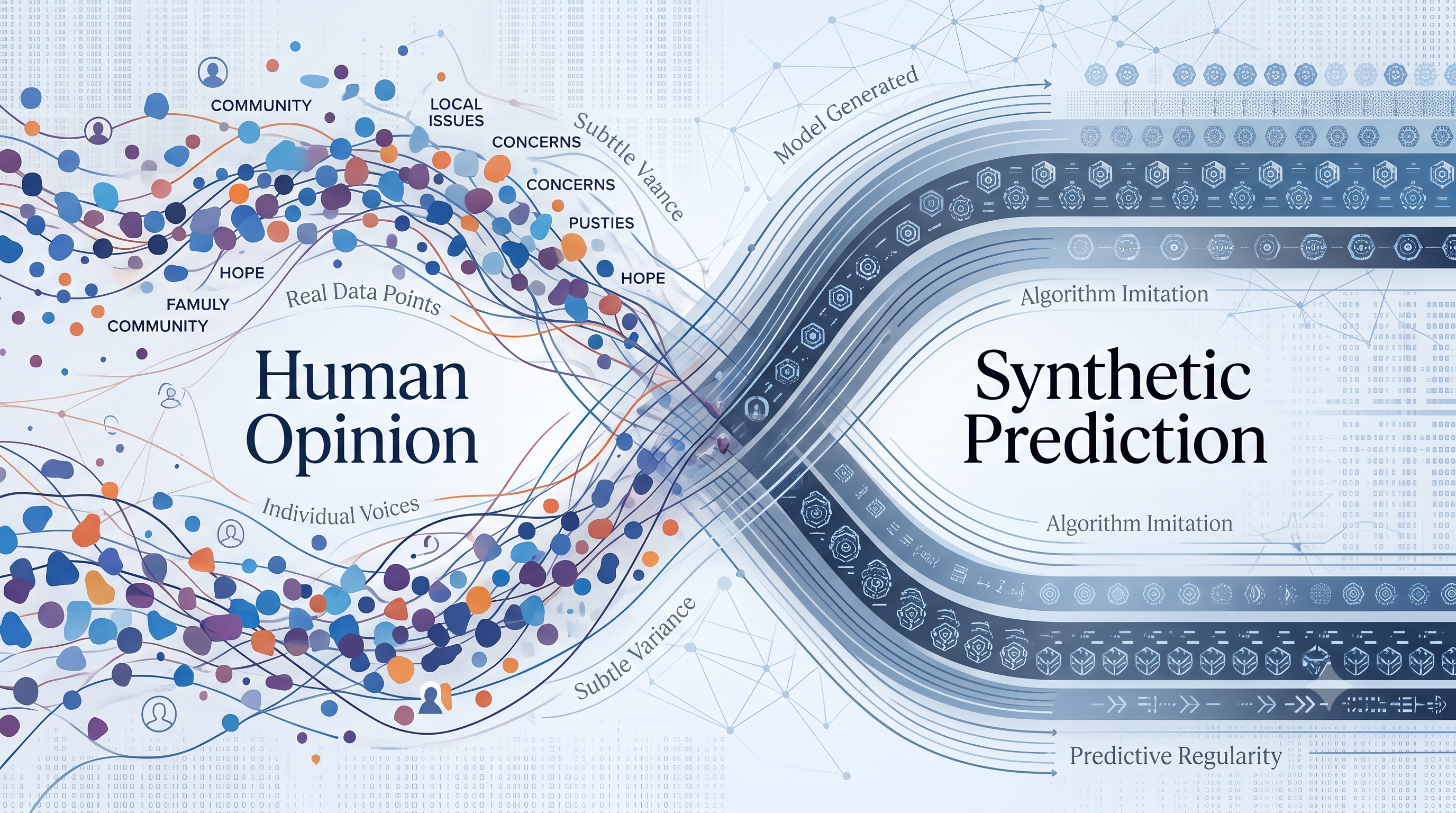
AI-generated respondents may look convincing, but they do not provide new evidence about what voters actually think.
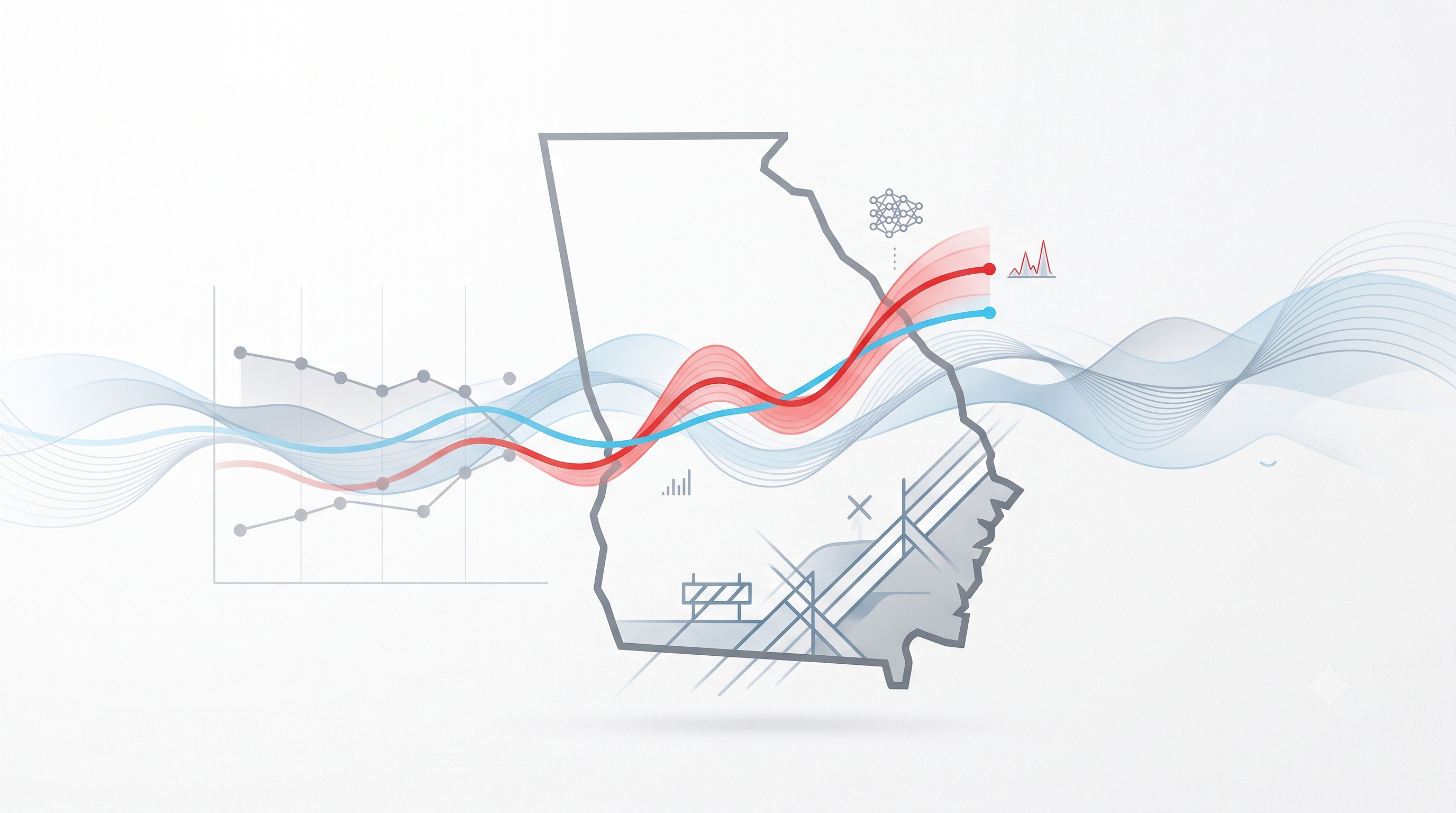
Georgia’s October shift showed how quickly a live voter signal can outrun a conventional survey.

Polling buyers can no longer judge research quality by speed, price, or dashboards alone.

Trump’s approval rating is virtually unchanged by tariffs, economic volatility, or scandals, showing a presidency...
Public opinion on artificial intelligence and data centers is becoming a political battlefield, forcing tech companies...
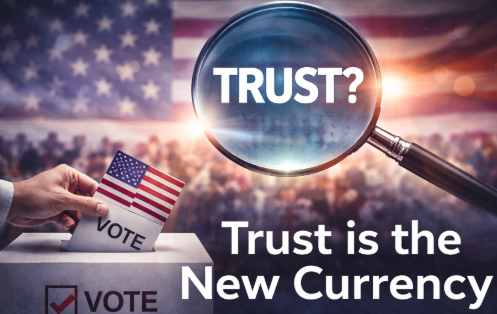
Campaigns heading into 2026 are facing a compounded trust crisis as confidence in election integrity weakens while...