
For American voters, the most potent political issue is no longer an abstraction, but the concrete number they see at the checkout counter, the gas pump, and on their monthly credit card bills.
What to Know
- Voter perception, not macro data, drives economic opinion; 72% rate the economy as "fair" or "poor".
- Trump is adopting populist economic messaging, breaking from GOP orthodoxy on issues like credit card rates.
- Cost of living is the top issue for most voters, with 9 in 10 worried about grocery prices.
- Recent elections show affordability-focused campaigns are winning, signaling a clear voter mandate.
- Trump's populist pivot creates strategic dilemmas for both Democratic and Republican party leadership.
On paper, the American economy shows signs of robust health. Real GDP growth has topped 3% over the past year, and wages have technically outpaced inflation. But those topline indicators are increasingly irrelevant to how voters experience the economy day to day. With housing, credit card interest, health care, and basic goods straining household budgets, economic performance is judged less by growth metrics and more by affordability.
The reason for this disconnect is simple: while the rate of inflation may have slowed, the cumulative effect of years of price increases has left household budgets strained. Home prices have surged approximately 45% since 2020, and essentials like groceries and gas remain stubbornly high. An AP Voter Poll from the 2025 elections revealed that voters feel the economy is "trapped by higher prices."
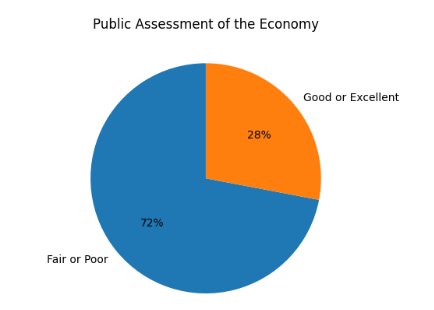
This sentiment is pervasive, with a staggering 72% of Americans rating the economy as "fair" or "poor" in a recent New York Times/Siena survey. Only 18% of people say they are better off financially than a year ago, while 36% say they are worse off. This persistent feeling of falling behind has made affordability the lens through which voters evaluate all political leadership.
Trump’s Unorthodox Gamble: Co-opting Populist Economics
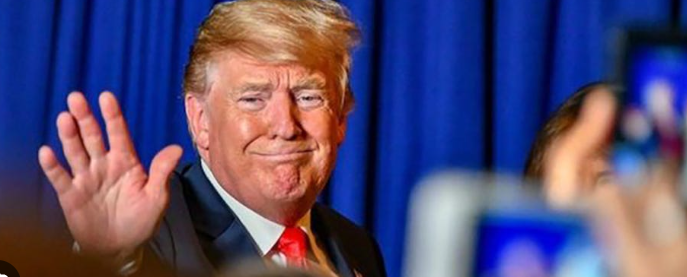
Recognizing this deep-seated economic anxiety, former President Donald Trump is executing a strategic pivot that represents a significant departure from decades of Republican economic doctrine. As detailed in recent Politico reporting, Trump is now championing a series of populist, even left-leaning, proposals aimed directly at voters' pocketbook concerns.
He has publicly supported capping credit card interest rates with backing the Credit Card Competition Act, a position more commonly associated with progressive Democrats like Elizabeth Warren. Targeting Wall Street's contribution to the housing crisis, he has proposed banning large institutional investors from buying single-family homes.
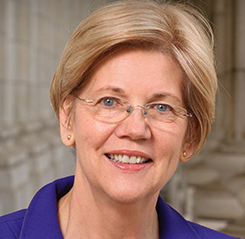
This initiative is clearly intended to appeal to aspiring homeowners grappling with frustration. Trump has positioned himself as a champion for consumers and small businesses against powerful corporate interests. His targets include "swipe fees" levied by credit card companies and the rising cost of prescription drugs.
|
What is a “Swipe Fee”? A swipe fee, also called an interchange fee, is the charge a merchant pays every time a customer uses a credit card. It typically runs 2–3% of the purchase price and is split among the issuing bank, the card network (like Visa or Mastercard), and payment processors. While consumers don’t see the fee directly, merchants often say it shows up in higher prices. |
Trump uses economically populist rhetoric, appealing to voters (independents and disaffected Democrats) who view the economic system as unjust. His rhetoric is not about complex economic theory but about identifying clear villains and offering simple, direct solutions. This approach is potent in an environment where, according to AP VoteCast, roughly three in ten voters feel their family's financial situation is "falling behind," a significant increase from previous elections.
A Fractured GOP: The Populist Base vs. Free-Market Orthodoxy
Politico-cited polling shows these ideas resonate with working-class and swing voters focused on affordability, even as they unsettle the party’s traditional donor class and policy infrastructure. Groups such as Americans for Prosperity continue to emphasize that inflation is the direct result of excessive federal spending, underscoring the widening tension between Trump’s consumer-focused messaging and the Republican Party’s long-standing commitment to free-market discipline.
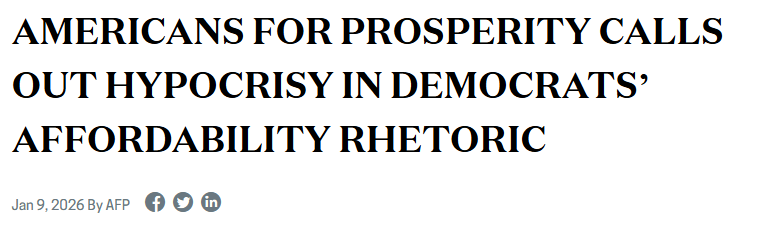
Screenshot of article title from AFP
For Republican candidates heading into the 2026 midterms, the split presents a strategic bind. Embracing Trump’s populism offers primary and general-election appeal, but risks alienating business-aligned constituencies and blurring the party’s economic brand. The Republican Party currently faces a difficult situation, balancing its historical Reagan-era identity with the more recent, populist direction driven by Donald Trump. This internal conflict is likely to hinder the party's ability to present a unified economic message in crucial competitive elections.
How to Respond When Your Plays Are Stolen
Democrats face a unique and formidable challenge. For years, they have centered their economic message on fairness and helping working families. Now, they find their core issues and even their language being co-opted by their chief political rival. Leaders like Senate Minority Leader Chuck Schumer have explicitly stated that Democrats will make the "cost of living the number one issue for all of 2026," focusing on healthcare costs and other household bills.
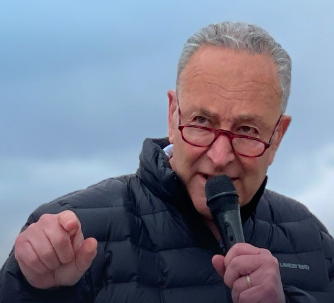
Senate Minority Leader Chuck Schumer photo via website
The party has legislative achievements to point to, such as the Affordable Care Act, but they are struggling to make these complex policy wins resonate with voters in the face of Trump's simple, aggressive messaging. The 2025 off-year elections offered a blueprint for Democrats, where candidates like Abigail Spanberger in Virginia and Mikie Sherrill in New Jersey won gubernatorial races by focusing intently on lowering costs for families.
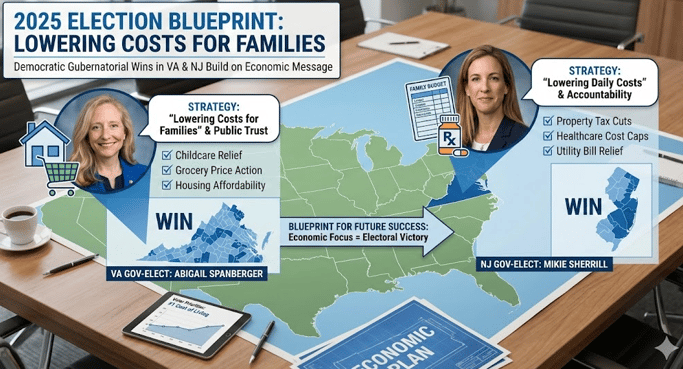
The challenge for Democrats in 2026 will be to move beyond defending their record and craft a compelling, forward-looking economic narrative that feels more authentic and impactful to voters than Trump's populist overtures. They must convince low-propensity voters, independents, and their own base that their solutions are more credible and will deliver tangible relief. The battle is no longer just about policy; it is about who can most effectively channel voter anger and anxiety over the economy.
Wrap Up
The political playbook for 2026 is being rewritten in real-time by the pervasive anxiety Americans feel about their personal finances. The old partisan lines on the economy are blurring, replaced by a singular focus on affordability. Macroeconomic statistics have become politically irrelevant in the face of persistent high prices for essential goods. The key to persuasion is no longer a debate over broad economic philosophies but a direct appeal to the household budgets of voters who feel left behind.
This new reality fundamentally reshapes the persuasion terrain for the midterm elections. It constrains the ability of both parties to rely on traditional contrasts and elevates the importance of credible, voter-centered economic narratives. Candidates who can authentically connect with the daily financial struggles of ordinary Americans and offer believable solutions will hold a decisive advantage. In what are sure to be a series of close races, the 2026 midterms will be won or lost by the campaign that proves it understands, and can convincingly promise to ease, the cost of living.
-May-16-2026-10-24-03-9739-PM.jpg)