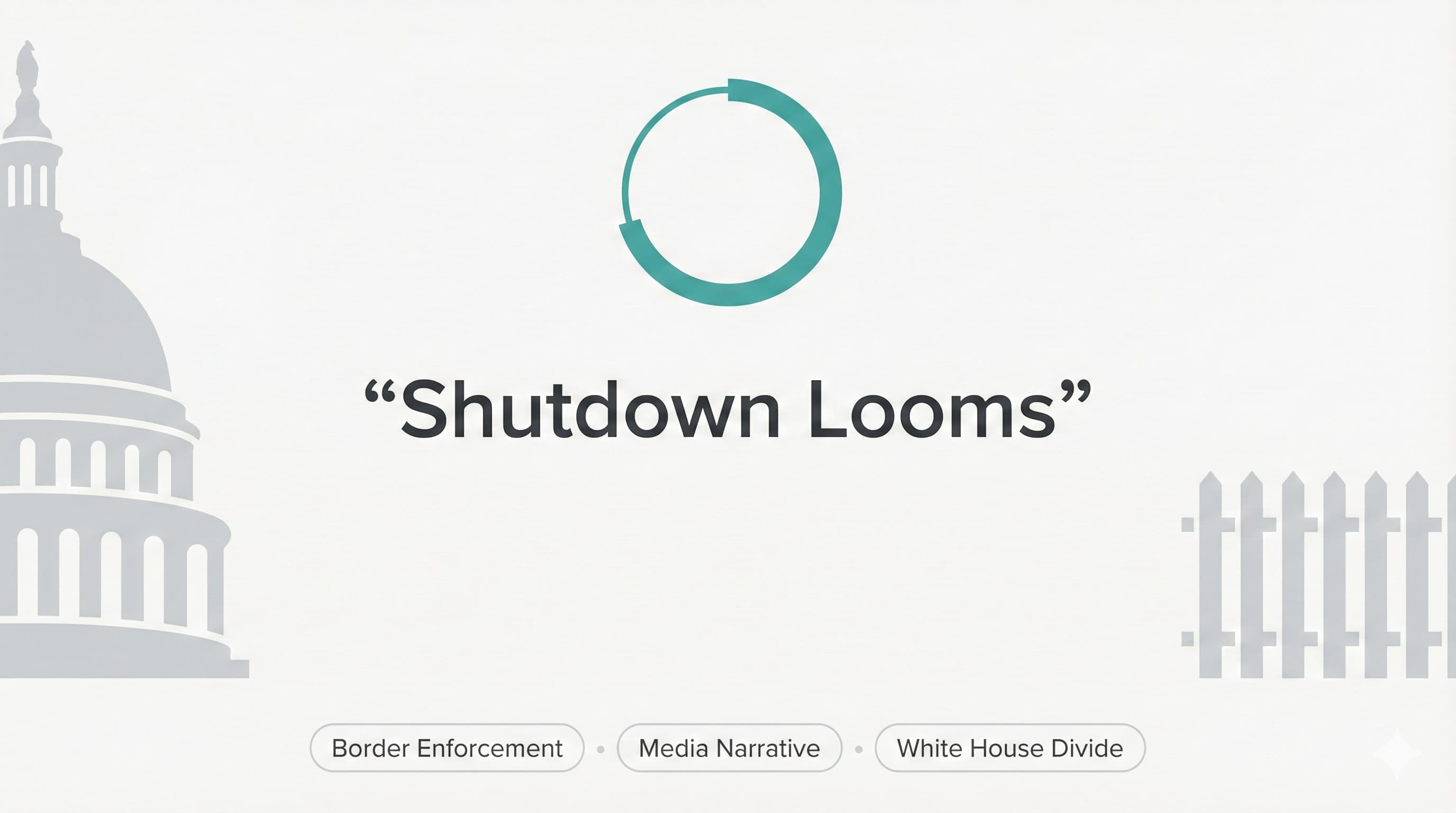
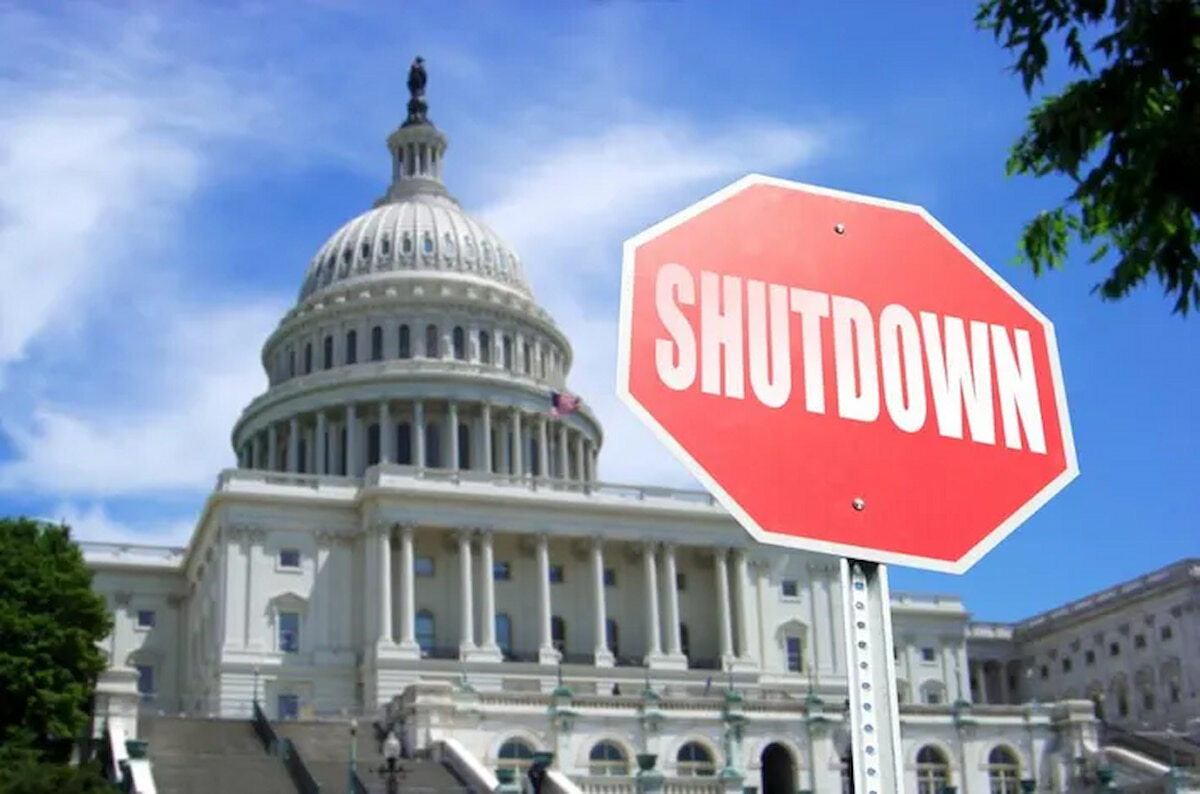

As funding lapses loom and negotiations stall, a shutdown becomes a stress test for Washington’s stability, markets, and voter trust.
What to Know:
- Democrats are conditioning funding on an extension of enhanced ACA subsidies, while Republicans argue the exchanges need reform rather than another short-term patch.
- Essential services continue, but non-essential functions pause, creating costs, delays, and backlogs across agencies
- GDP impacts are usually modest and temporary, while markets tend to look through shutdowns after brief volatility.
- Continuing resolutions keep Washington on autopilot, wasting planning time and locking in stale priorities.
- A disciplined return to regular order—debating and passing the 12 appropriations bills—offers the durable fix.
Why We’re Here
Another fiscal deadline arrived without full-year appropriations. The immediate hinge issue is the push to extend enhanced ACA subsidies, which Democratic leaders want tied to a short-term funding measure. Republicans counter that the marketplace needs structural reform, not another last-minute extension embedded in a continuing resolution. Recent reporting shows both sides dug in, with the White House signaling hard lines and House/Senate leaders trading leverage.
What Actually Shuts Down—and What Doesn’t
A shutdown is disruptive but not absolute. Social Security, Medicare, and in-hospital care continue, as do air traffic control and law enforcement. Non-essential activities pause, furloughing many federal workers and delaying inspections, permits, and some data releases. Past episodes show national parks and some airport operations may strain, while contractors face revenue risk without guaranteed back pay. By contrast, federal employees have been guaranteed back pay by statute, though recent signals have created uncertainty that argues for predictable budgeting.
Who Feels It First
For voters, the pain shows up unevenly. Contractors often absorb immediate losses as projects pause without guaranteed back pay, and procurement calendars slip.. Small businesses waiting on SBA loans or federal certifications can’t move on expansions or hiring plans, creating ripple effects across local economies. Travelers may notice airport strain when staffing gaps and delayed overtime approvals collide with peak traffic, while national parks cut visitor services and maintenance—costly to reverse when funding resumes. None of this is ideological; it’s a managerial failure that regular order would prevent.
Economic Effects: Voters and Businesses
The economic story is typically short-term disruption followed by catch-up. During previous shutdowns, the hit to quarterly growth was fractional and temporary, with spending and activity rebounding as agencies reopen. Markets have been mixed during closures and mostly higher three and six months later, suggesting investors focus on fundamentals—growth, earnings, and interest rates—more than the political noise.
On Main Street, the friction is real: contractors lose billable work, small businesses can’t access SBA loans, and a pause in federal data complicates pricing, hiring, and inventory plans. For voters, pay uncertainty and service delays amplify frustration. The conclusion is straightforward: fiscal predictability is pro-business and pro-family.
Markets and the Data Blackout
Even if equities typically look through shutdowns after a brief volatility bump, operational clutter matters. When agencies pause critical data releases, employers and investors fly with fewer instruments, increasing the odds of over- or under-reacting to headlines. That’s one reason past GDP effects have been fractional and temporary—activity is displaced, not destroyed—but also why prolonged standoffs raise the cost of capital and planning. The fastest way to steady sentiment is clarity on spending and a calendar that Congress actually meets.
The Politics Behind the Standoff
Both parties use leverage in budget season, but making basic funding contingent on another subsidy extension keeps the country on autopilot. The GOP case is to separate stopgaps from long-term policy and force open debate on costs and design of the exchanges—not to bury policy changes inside CRs. For context on how Republicans have previously used leverage during funding fights, see Campaign Now’s coverage of elections-integrity priorities.
Why CRs Cost More Than They Save
The myth that shutdown brinkmanship “saves money” collapses on inspection. Continuing resolutions freeze outdated allocations, keep low-value programs on autopilot, and waste agency planning time as teams rewrite workplans with every short extension. Shutdown prep itself has costs, fees go uncollected, and Congress typically authorizes back pay for hours never worked. The result is higher—not lower—costs alongside weaker oversight. If the goal is protecting taxpayers, the fix is transparent appropriations, open policy votes, and deadlines that mean something.
Long-Term Implications

Image by DALL-E, illustrating shutdown-driven systemic disruption
Shutdowns expose a broken culture of budgeting. Continuing resolutions freeze dated priorities, continue ineffective programs, and waste agency planning time. A durable fix requires:
- Regular order—debate and pass the 12 appropriations bills on time.
- Targeted reform—evaluate major subsidies in daylight rather than in CR riders.
- Transparency & discipline—use real scorekeeping and sunsets to restrain autopilot spending.
Wrap Up
Shutdowns are a symptom, not a solution. The path forward is fiscal responsibility and leadership willing to restore regular order—ending crisis governance, debating policy in the open, and delivering predictable budgets that support families, small businesses, and a growing economy. That is the standard donors and decision-makers should demand.